
Interested in hosting one of our presentations? Explore the programs listed below, then use our contact form to submit a request. Select ‘Public Programs’ and include the presentation title.
The Delaware Public Archives and First State Heritage Park partner together for our Colonial Tavern Nights! Attendees meet period-costumed interpreters from First State Heritage Park, while the Delaware Public Archives presents one of our Tavern Talk programs. Available topics include the following, with more information on each program below:
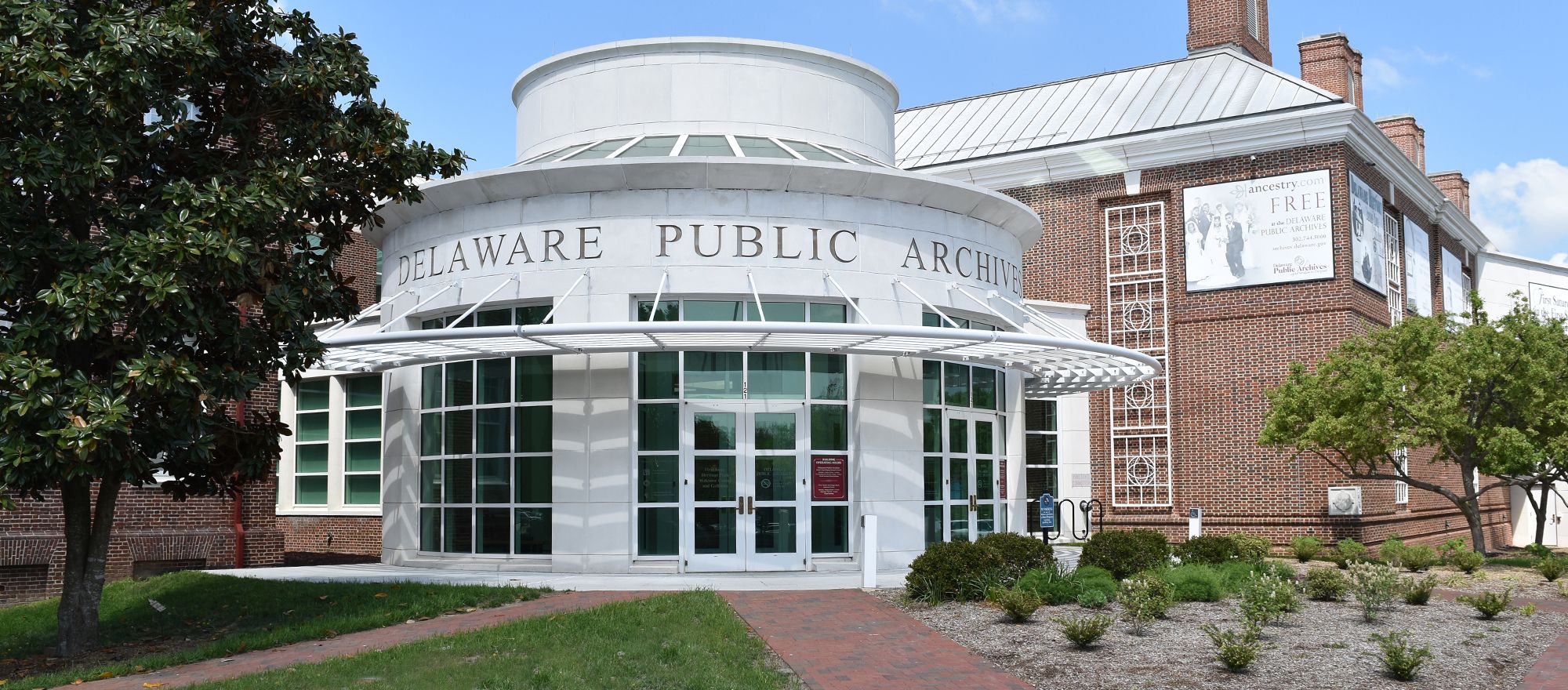
First Saturdays at the Archives offer a monthly opportunity to dive into Delaware history through a single, focused, hour-long presentation held on the first Saturday of every month. Each program features one speaker—an Archives staff member, educator, or notable historian—who shares insights, stories, and discoveries drawn from Delaware’s rich archival collections. From historical talks to oral histories and special presentations, every month brings a new perspective on the past. Check our event calendar to see who’s presenting next.
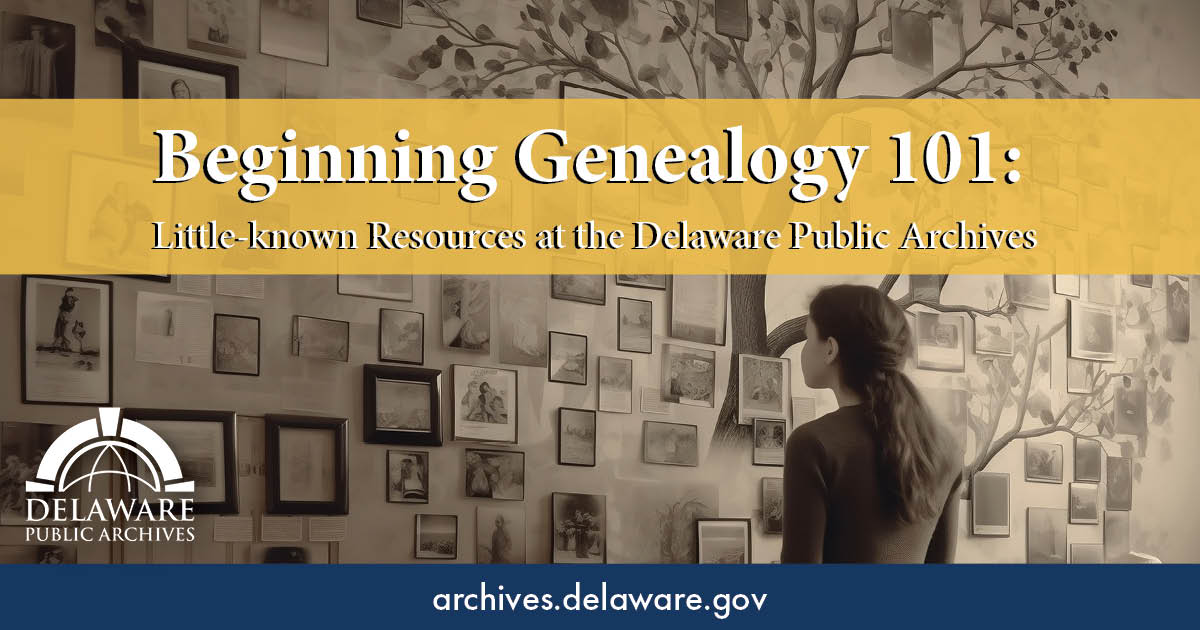
This presentation will include the most common records used by genealogists, but will also take a deeper look at those little-known resources that can be most helpful when researching your family tree. Some of the little-known resources that will be discussed include Pauper Records, Legislative Petitions, Apprentice Indentures, City Directories, and Enrolled Bills.
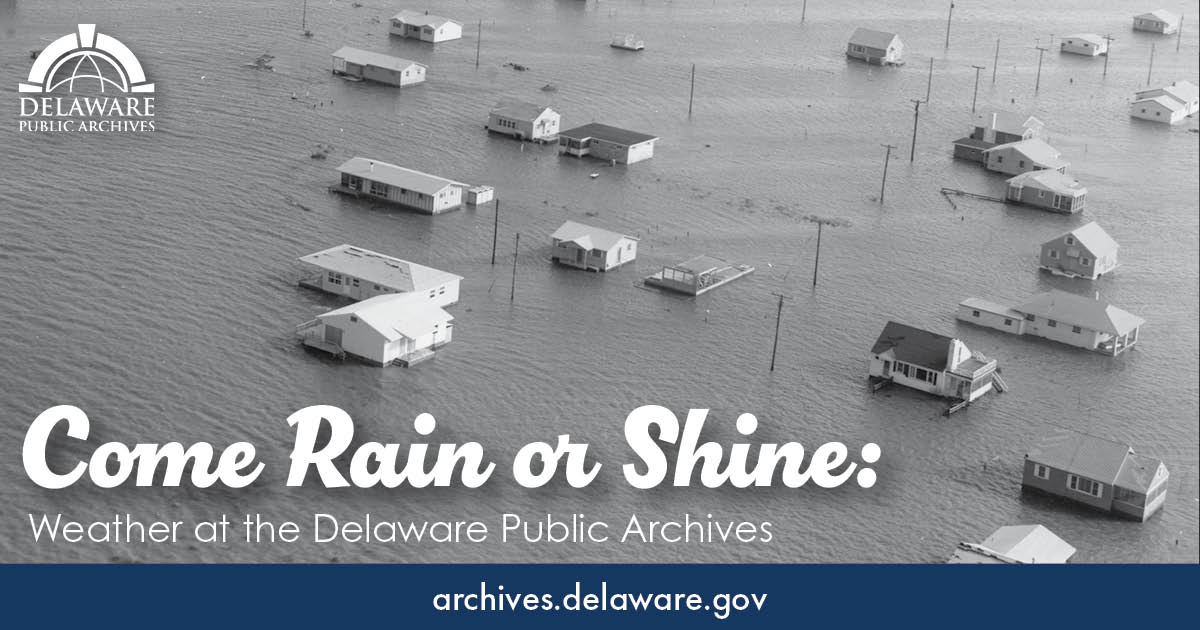
Highlighting records in the collections of the Delaware Public Archives, this presentation shows the state and its people’s relationship to the weather, both good and bad. Beginning with significant damaging weather events, like the Blizzard of 1888 and the Hurricane of 1962. We then look at how our often beautiful, sunny coastal weather has been an enticement for tourism through our collections of postcards. Delaware’s rapidly changing weather patterns could prove dangerous, particularly for those working on the marshes. We examine the methods employed by the Civil Conservation Corps in the 1930s to predict and issue warnings. Rounding off with a demonstration of the role weather played in the daily lives of Delaware residents. We look at the incredibly diligent, and sometimes deeply personal and enlightening, records kept in the farming journal from the Frazier collection, and the Civil War-era diaries of Sgt. Townsend Downes, Spencer Hitch, and William Cloud Lodge.
This presentation will cover the most common records used by genealogists as well as lesser-known resources that can be invaluable for those researching their family tree to complete an application for the Daughters of the American Revolution (DAR) or Sons of the American Revolution (SAR). Some of these resources include Supply Tax records, Journal A, SAR membership applications, and Oaths of Allegiance.
The Delaware Public Archives offers a treasure trove of genealogical resources, including centuries of vital records, wills, deeds, and more. Yet, many researchers inevitably face frustrating dead ends, where a family member seems to vanish without a trace—no birth record, no property records, no will or probate. How can we uncover the stories of these seemingly forgotten individuals?
Pauper records provide invaluable insights for filling these gaps, documenting the lives of those most often overlooked by history: the poor, illegitimate children, unwed mothers, and others marginalized by society. This presentation will explore the evolution of public welfare and poor relief in Delaware, the types of pauper records available to genealogists, and how to access these important resources through the Delaware Public Archives.
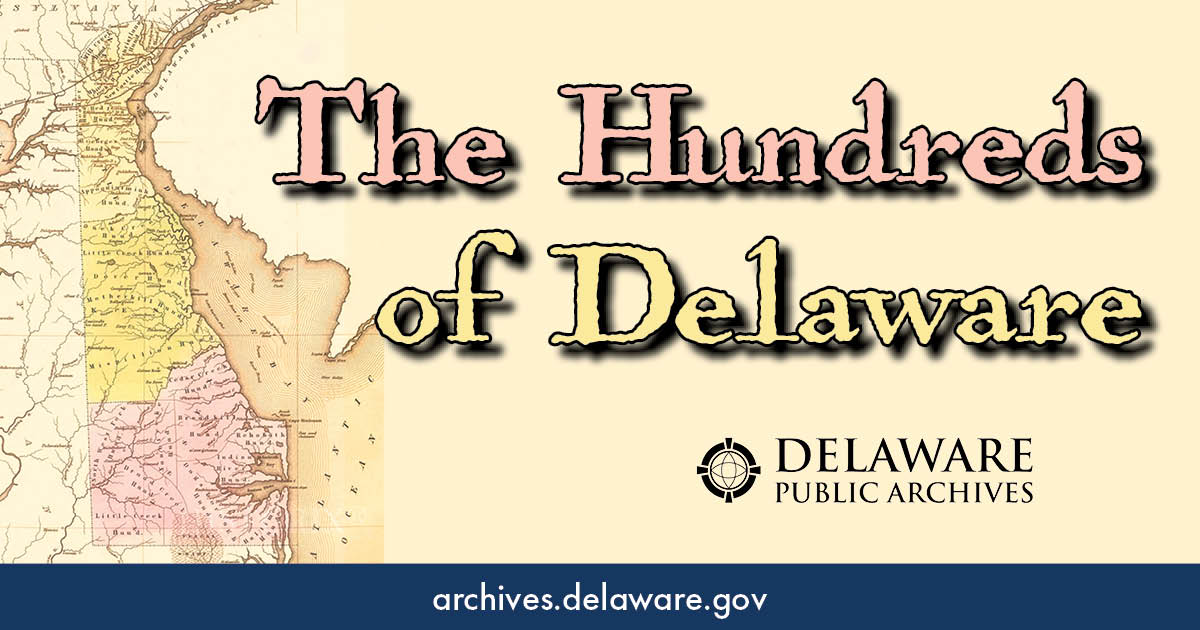
This presentation will explore Delaware Hundreds, a uniquely named feature found only in Delaware. Once used as election districts, Hundreds today have little impact on Delawareans. In this presentation, we will go over the history of the Hundreds, how many there are, how they have changed, and why they are no longer prevalent in Delaware. Each Hundred has a unique presentation with a brief history of that Hundred, along with historical photographs from across the Hundred.
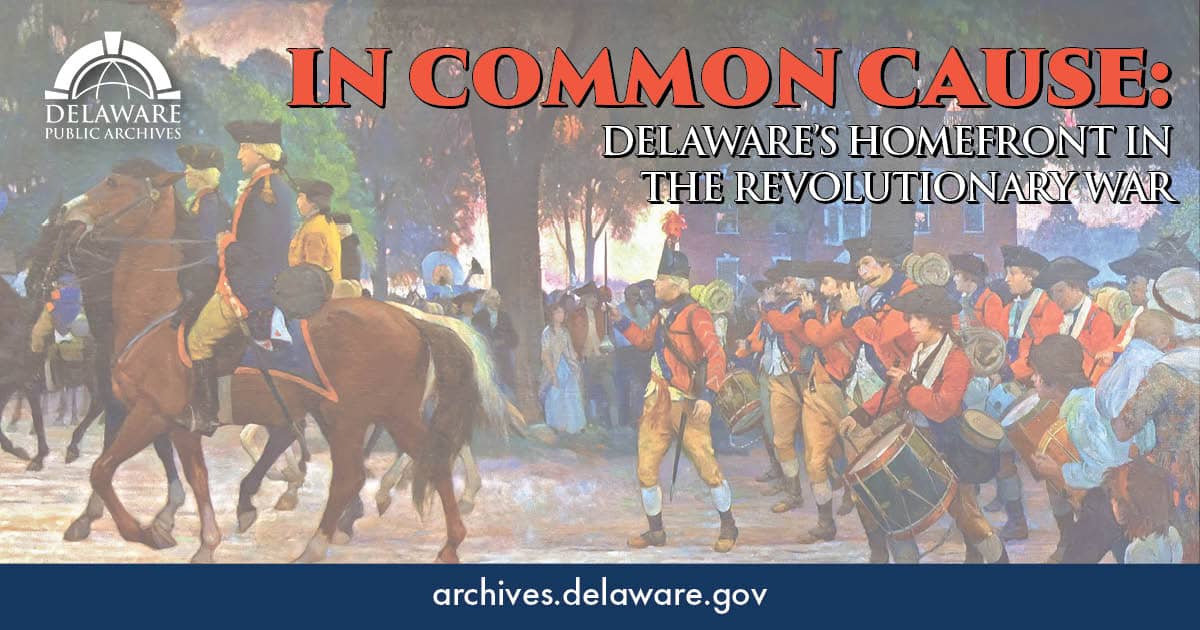
Despite its small size, Delaware made significant contributions to the cause of American independence—far more than a single battle or a midnight ride. During the Revolutionary War, Delaware evolved from being part of a larger colony into an independent state, a transformation driven by the sacrifices and efforts of its citizens and civic leaders. These individuals gave their time, resources, and even their personal safety to support the common cause of American freedom.
This presentation explores the challenges faced and contributions made by the men and women of Revolutionary Delaware, preserved in the records of the Delaware Public Archives.
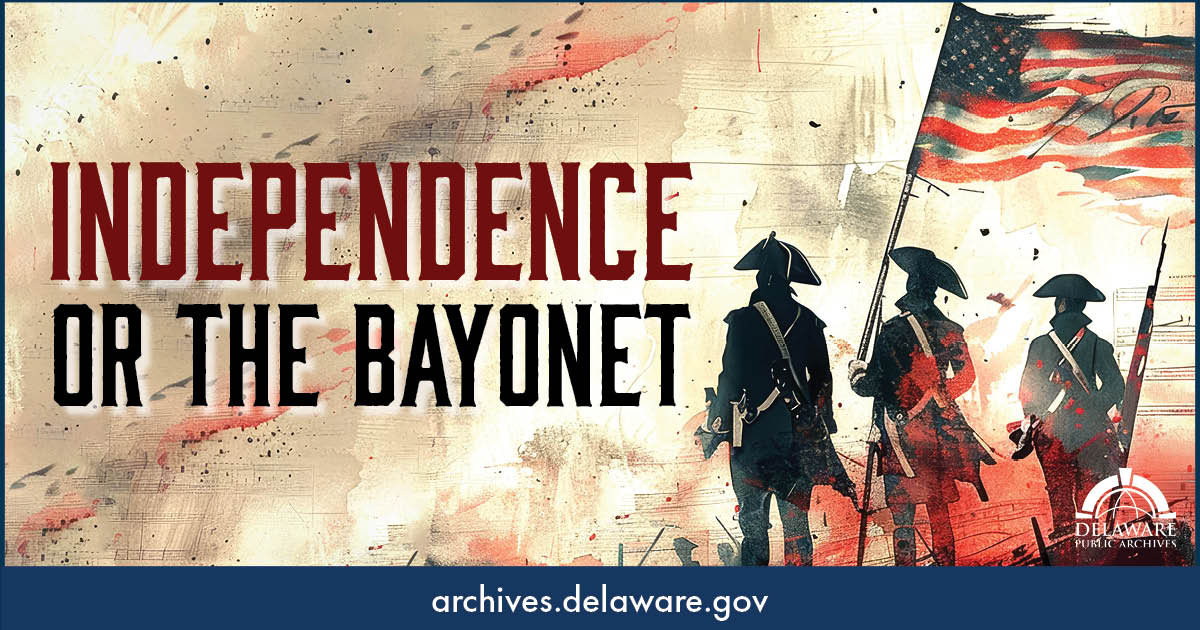
Have you ever wanted to learn more about Delaware’s Founding Fathers? Or about what Delaware was doing during the lead-up to the Revolutionary War?
This presentation covers the stories of Caesar Rodney, George Read, and Thomas McKean from their lives prior to the Revolution, Delaware’s actions during the lead-up to the Declaration of Independence, the fallout, and what the three men did after. In this program, learn more about Delaware’s Founding Fathers and their involvement in the Revolutionary War.
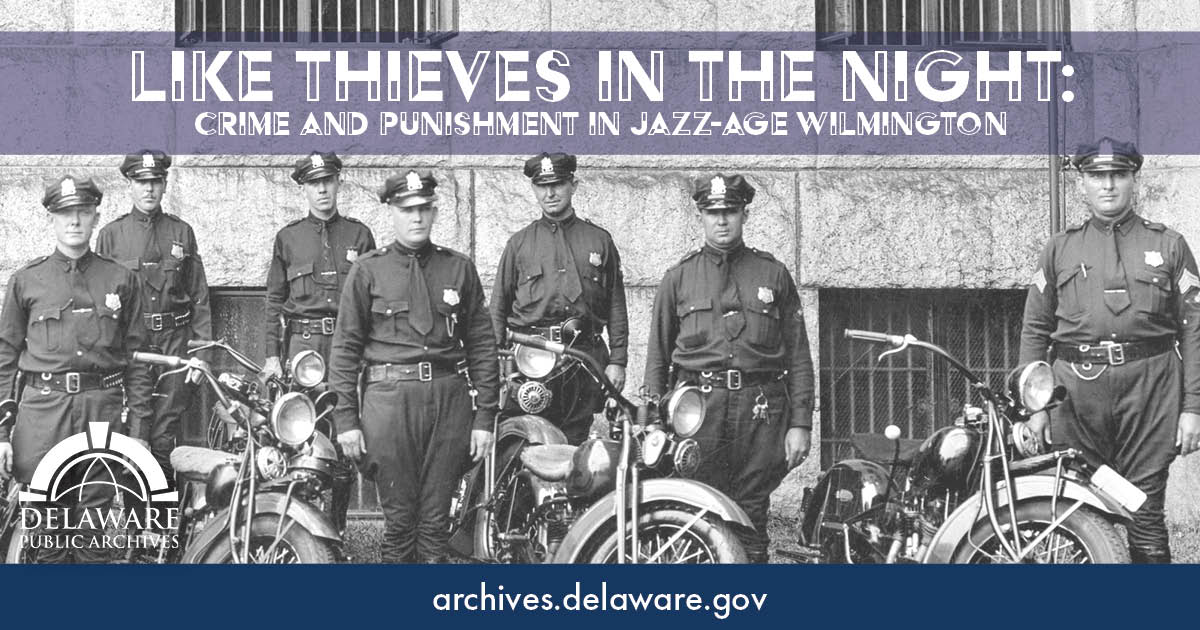
We often think of interwar America as a time straight out of a crime novel. An age of bootleggers, gangsters, organized crime, and the brooding lawmen who brought them to justice. While many of these stories have strayed into the realm of fantasy, primary sources can still tell the incredible true stories of one of the most turbulent times in American history. The City of Wilmington Police Pedigree Files contain a wealth of information on crime and punishment in early 20th-century Delaware, from career jewel thieves to sordid plots of deception and murder. These records also serve as important evidence of many of the challenges and hardships facing the American people at the time, including racial discrimination, unequal treatment, and inhumane punishments. Whether you are studying political science or writing a noir novel, this collection is sure to please.
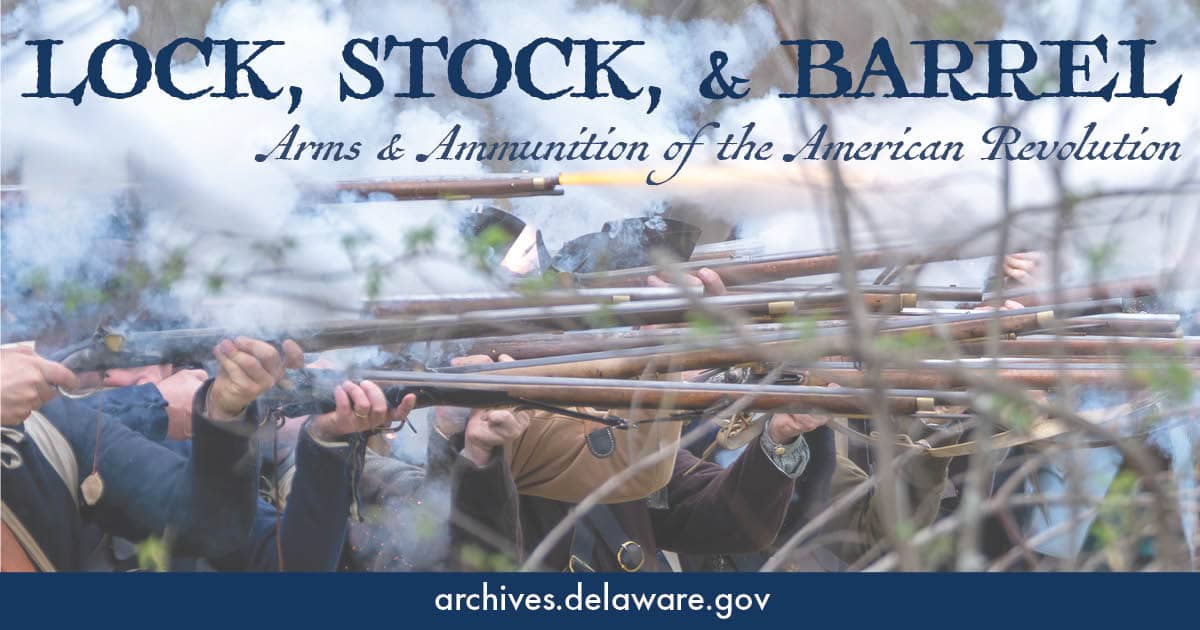
The battles of the Revolutionary War have been immortalized in books and films, but rarely do they capture the true nature of 18th-century warfare. As silly as it may seem to march into battle in brightly colored uniforms while your enemy is firing right at you, the combat doctrine of the time was methodical, efficient, and made the best use of the tools available. Flintlock muskets and black powder artillery, while cumbersome by today’s standards, changed the face of warfare and would shape how armies were trained and supplied for years. This presentation examines the weapons of the American Revolution, how they influenced training and tactics, and how the British and Continental Armies supplied their troops.
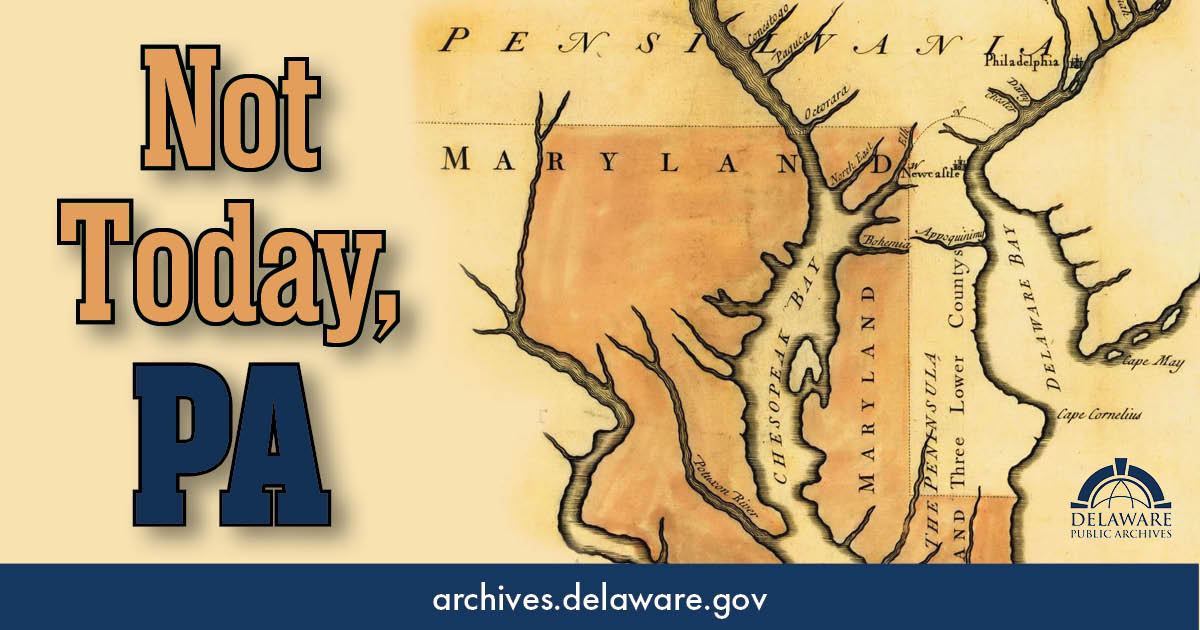
In 2026, we celebrate the 250th anniversary of the Declaration of Independence, which marked the colonies’ break from British rule. 2026 also marks the 250th anniversary of the State of Delaware declaring its independence from Pennsylvania. In this presentation, we will examine the early days of the Lower Counties on the Delaware under the proprietary governance of William Penn and his successors. We will delve into the conditions that ultimately led them to seek separation and form an independent state. We will look at some of the challenges faced by the nascent state as it recovered from the economic and social tolls of the War of Independence. And finally, how “Separation Day” came to be celebrated in the City of New Castle as a commemoration of the founding of the State of Delaware.
Have you ever wondered who owned your property before you? Have you started searching and hit a roadblock? Or are you about to embark on your search and want some tips? The Delaware Public Archives’ Property Research Guide presentation is here to help. This presentation covers searching on the Recorder of Deeds websites, the language used in deeds, and best practices for taking notes. The presentation details the various other record types in the Archives’ holdings that can be helpful if you get stuck, including maps, Chancery Court records and more. The presentation will go over the basics of researching your property to help you figure out who owned the land before you, perhaps all the way back to the 1600s.
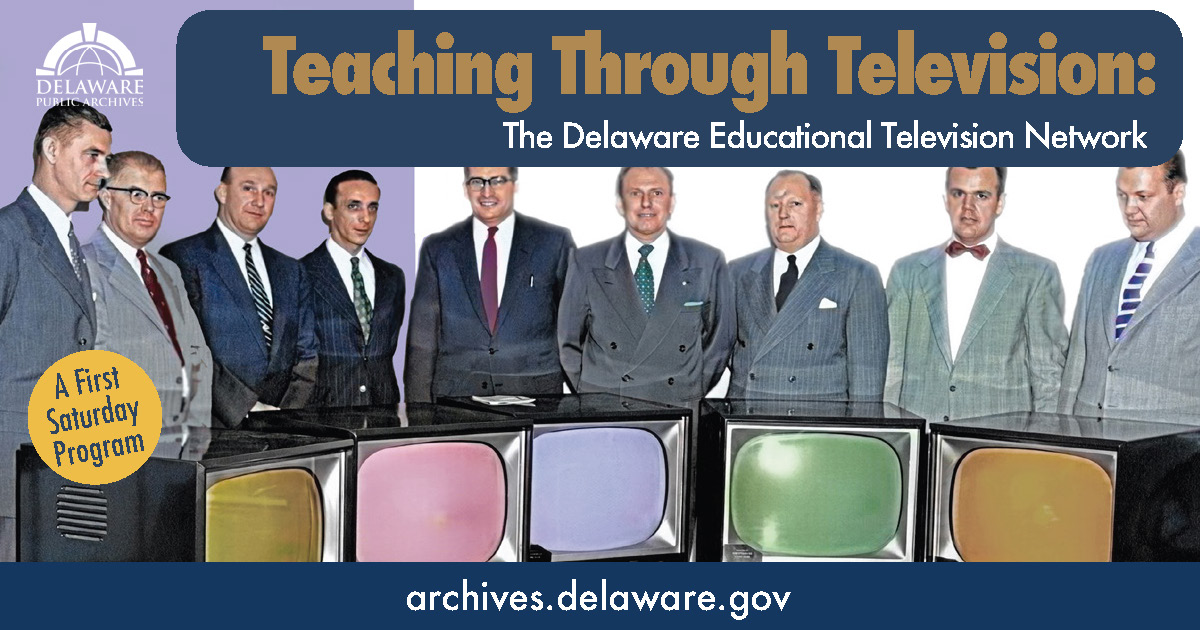
The 1960s saw the emergence of a new teaching tool sweeping the nation: educational television. Delaware was quick to implement this new tool, creating the Delaware Educational Television Network in 1965. Now a little-known part of Delaware’s educational journey, the Delaware Educational Television Network aired programming in Delaware classrooms from 1965 to 1970. These programs were created by the Network with Delaware students in mind and offer a unique perspective on teaching techniques in the age of television. This program examines the Delaware Educational Television Network from its creation in 1965 to its conclusion in 1970, discussing its impact on Delaware students.
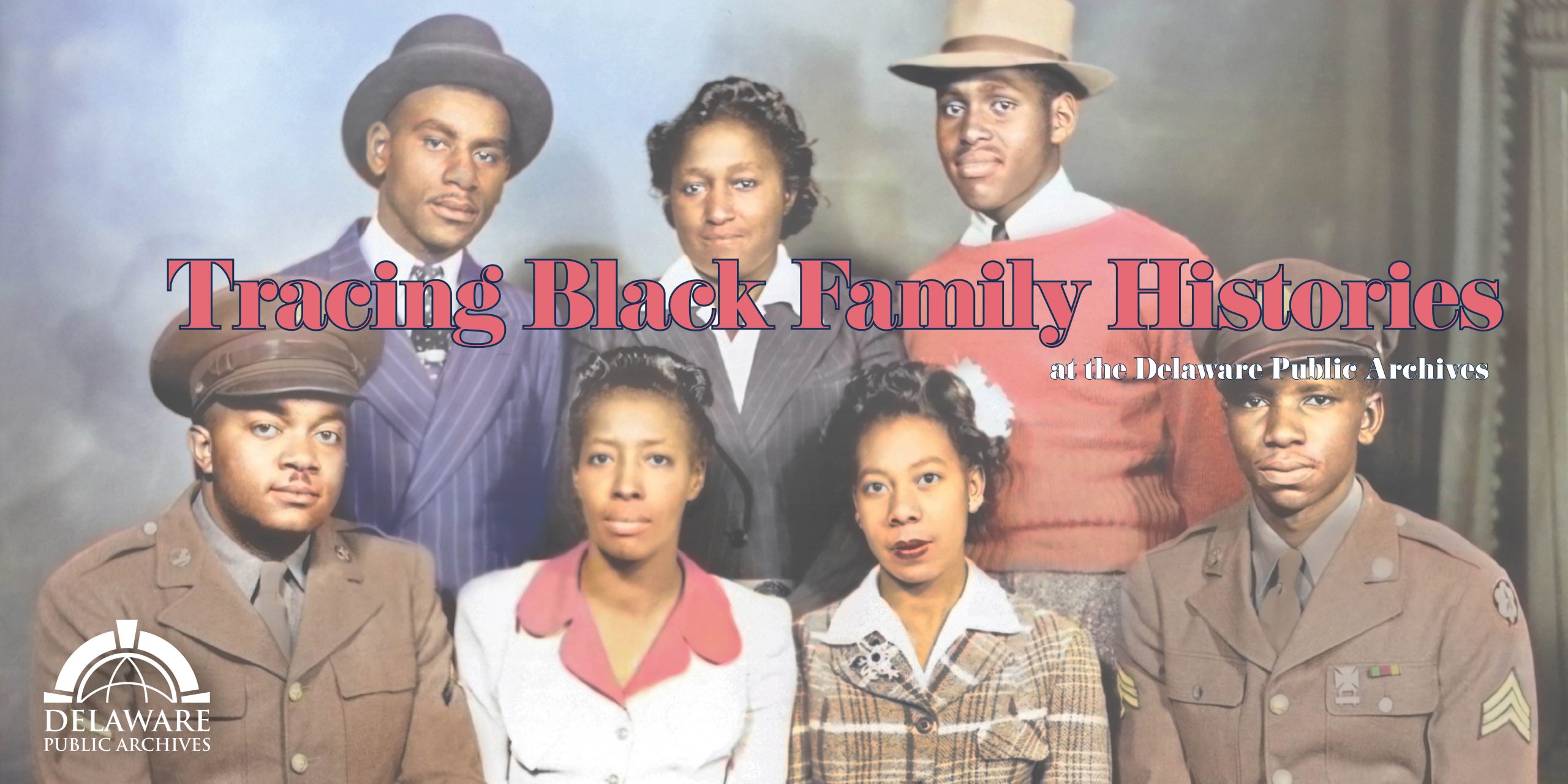
Black family history research can pose unique challenges as you follow your family into the 19th century, prior to the passage of the 13th Amendment, and earlier. This presentation highlights resources available at the Delaware Public Archives for researching Black family history in Delaware, from the present day to the state’s history. Discover techniques to uncover crucial details about formerly enslaved ancestors and Delaware’s rich history of free Black communities.
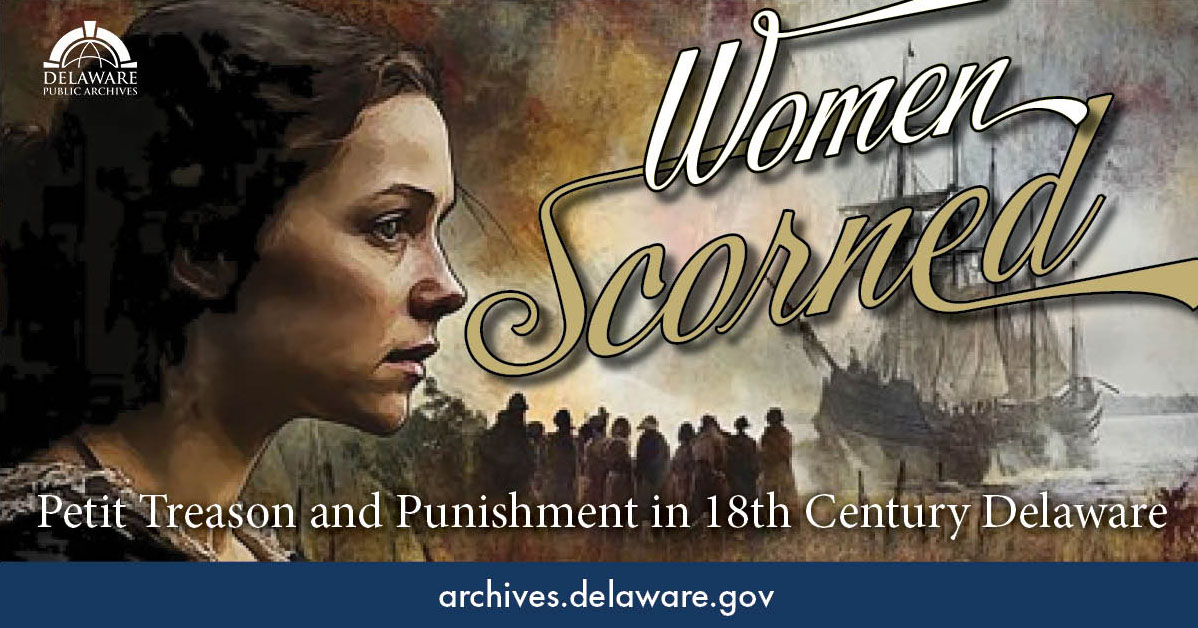
When Delaware declared its independence in 1776, it prompted a plethora of changes pertaining to its government and legal system. As the state grew and evolved, it reflected on crime and punishment in this new era. One crime the new government reviewed was petit treason, which is treason committed against a person of authority other than the government.
Throughout its history, two Delaware women were tried for petit treason: Catherine Bevan in 1731 and Sarah Kirk in 1787. While their charges were the same, their punishments were not. This presentation examines documents from the Delaware Public Archives’ collections to discuss these women and the changing legal system of a new Delaware.
Tours of the Delaware Public Archives are available with advance request. To schedule a visit, call 302-744-5000 or email archives@delaware.gov.
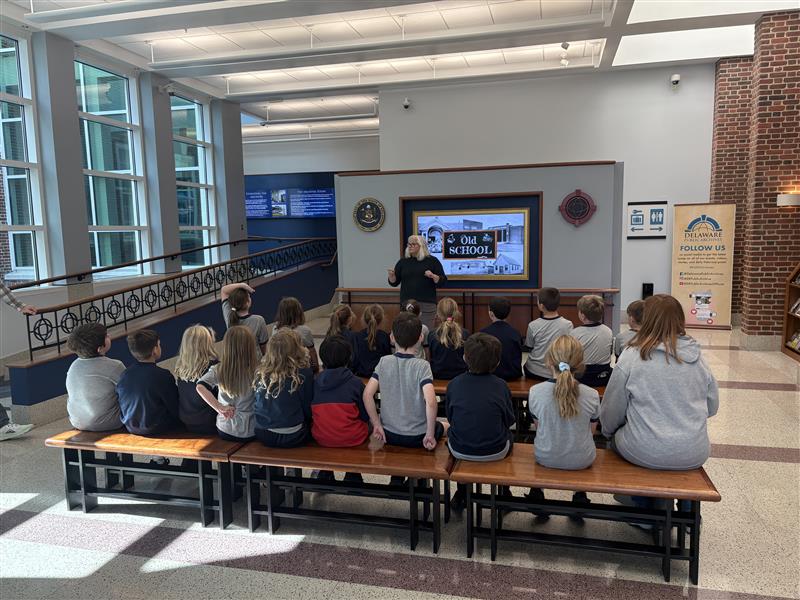
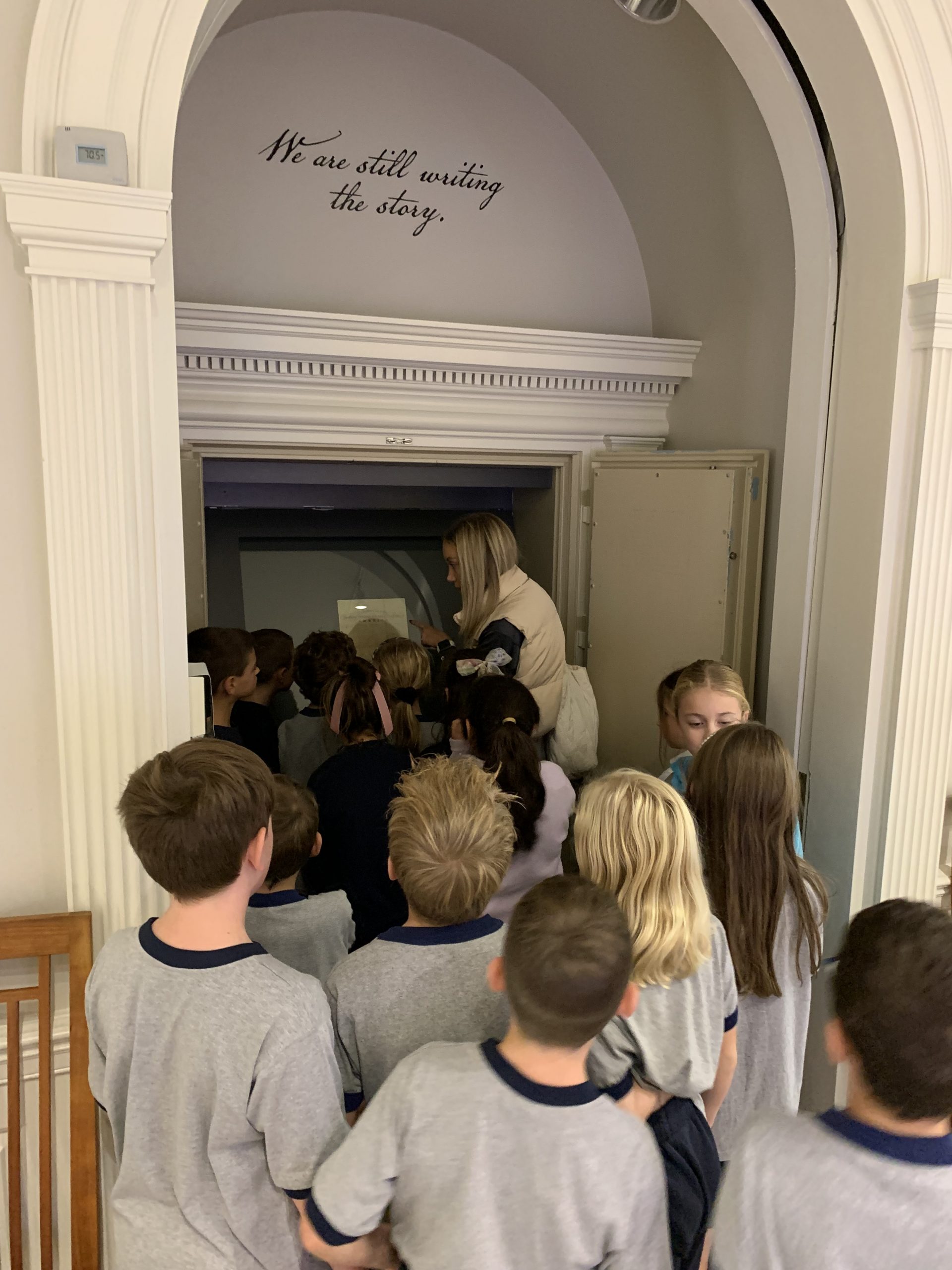
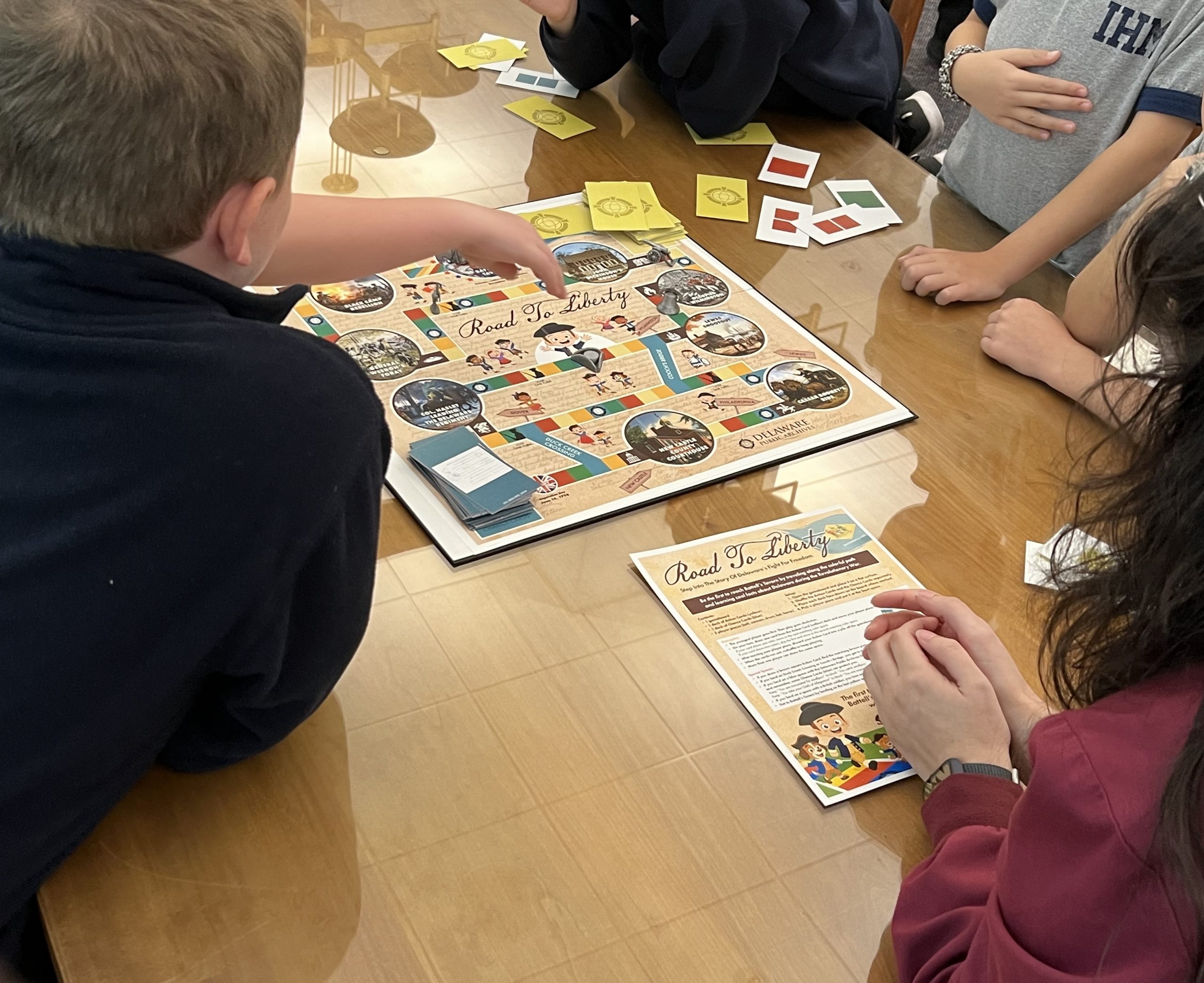
We also offer tours tailored specifically for school groups, with content customized to match your students’ grade level, interests, and curriculum needs. Whether you’re exploring Delaware history for the first time or planning a focused educational experience, contact us with your group’s details, and our Public Services staff will ensure your tour is both educational and entertaining. We even have an archives-based board game available to play: Road to Liberty!
If you’re unable to visit us in person, explore our Educator Resources page for lesson plans, resource guides, and materials you can use anywhere.
Delaware's Governor
State Directory
Elected Officials
General Assembly
Delaware Courts
State Employees
Cities & Towns
Delaware State Code
State Regulations
Business First Steps
Phone Directory
Locations Directory
Delaware Public Meetings
Voting & Elections
Transparency
Choose Health DE
Tax Center
Personal Income Tax
Privacy Policy
Weather & Travel
Contact State Agencies
Corporations
Franchise Tax
Gross Receipts Tax
Withholding Tax
Guides to Services
Help Center
Mobile Apps
E-mail / Text Alerts
Social Media


Built by the Government Information Center
©MMXXVI Delaware.gov