Join us for November's First Saturday Program: Property Research Guide – Learn how to research the history of your property using Delaware land records. Learn more about this alert.
Join us for November's First Saturday Program: Property Research Guide – Learn how to research the history of your property using Delaware land records. Learn more about this alert.


This month, we’re celebrating the 75th anniversary of the Delaware Memorial Bridge’s original span by looking at its history through photographs and other records preserved at the Delaware Public Archives.
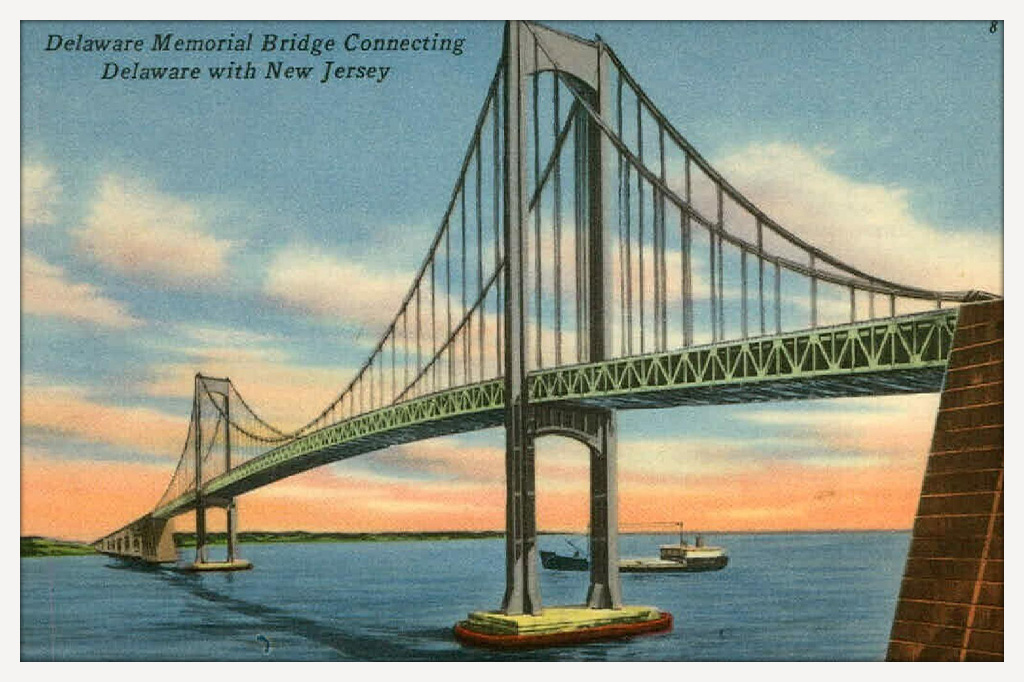
Before the Delaware Memorial Bridge opened in 1951, decades of debate delayed plans for a permanent crossing between Delaware and New Jersey. Since then, the bridge has grown from a single span into one of the region’s busiest transportation links and an enduring memorial to those who lost their lives in military service.
We are sharing the not-quite-identical twin spans’ story in this blog—not only because of its 75th anniversary or the lives it memorializes, but also to honor the site’s significant growth.
Photographs and records preserved at the Delaware Public Archives document the bridge’s construction, opening, and evolution over the past 75 years. In recognition of Veterans Day, we invite you to explore the bridge’s history and the important role it continues to play in honoring military service and sacrifice.
After World War I, advances in automobile manufacturing made car ownership increasingly affordable, driving demand for better roads and transportation infrastructure.
The personal transportation boom fueled a grassroots insistence on road improvements and is cited as a force behind the creation of the nation’s interstate highways. By the 1920s, Delaware and New Jersey residents were pushing for a permanent way to drive between them over the Delaware River.
Skeptics who took their objections to Congress warned that building a large structure in the river, a waterway vital to the region since European colonization in the 1600s, would disrupt shipping and cripple the economies of both states and beyond. Others argued that a bridge would block the Philadelphia Naval Shipyard, impairing national defense if an enemy attacked the United States.
Bridge supporters were bolstered by Pennsylvania’s Benjamin Franklin Bridge, which opened over the Delaware in 1926 as the country celebrated its 150th anniversary.
That year, optimistic Delaware and New Jersey officials collaborated to start a privately operated ferry system between New Castle and Pennsville as an interim solution until a permanent crossing could replace it.
Despite growing support for a permanent crossing, disagreements over the project continued for decades.
More than a year after New Jersey leaders approved a project partnership in April 1945, Delaware’s lone member of Congress took a plan approval request to Washington, D.C.
On May 2, 1946, U.S. Representative Philip A. Traynor sponsored and introduced House Resolution 6285, to give Delaware ownership of the long-awaited project and, effectively, issue the Delaware Memorial Bridge’s birth certificate.
The Congressional Record described his measure, copied in the Senate, as “authorizing the State of Delaware, by and through its state highway department, to construct, maintain, and operate a toll bridge across the Delaware River near Wilmington, Del.”
No critics testified at Commerce Committee hearings. Federal agencies and the U.S. Navy said they had no objections.
Citing its “necessity” for the East Coast’s transportation system and economy, the committee reported that “the value of such a bridge to commerce and business and for pleasure is almost beyond calculation.”
While noting New Jersey’s partnership, the committee said the “modern, high-level, long-span structure … would be financed solely by the issuance of revenue bonds by the State of Delaware.”
With U.S. House and Senate approval, the measure became law on July 13, 1946.
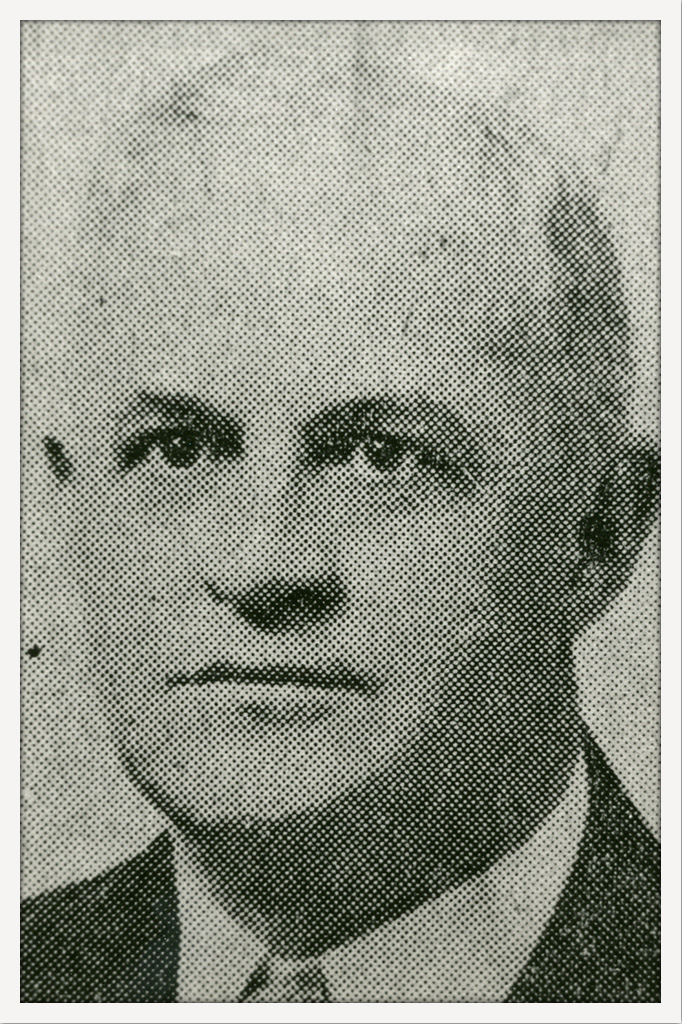
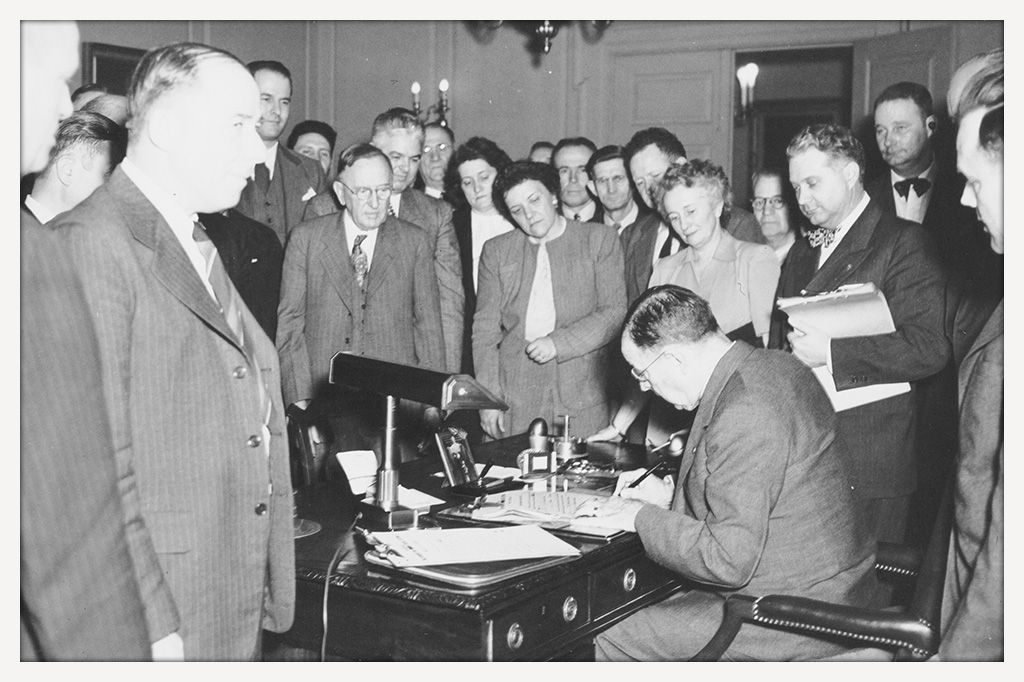
With federal authorization secured, Delaware officials moved forward with plans to construct the bridge, working with Missouri-based Howard, Needles, Tammen & Bergendoff, now renamed but still a top U.S. civil engineering/architecture firm.
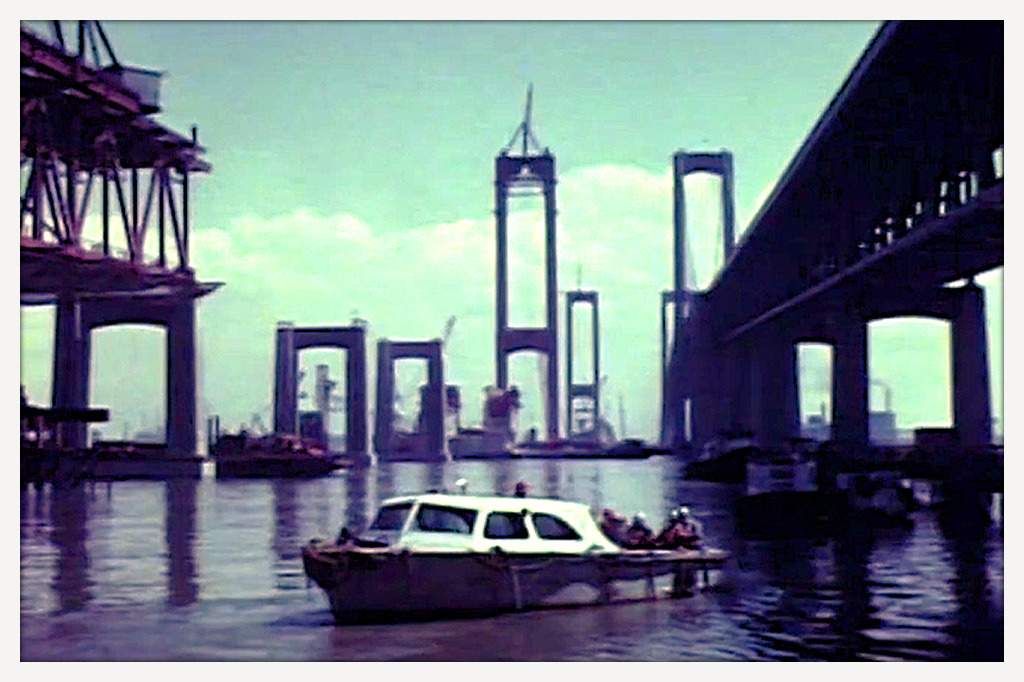
With a projected cost of $12 million, bridge-building began February 1, 1949. The ambitious construction project involved thousands of workers. Six lost their lives during construction.
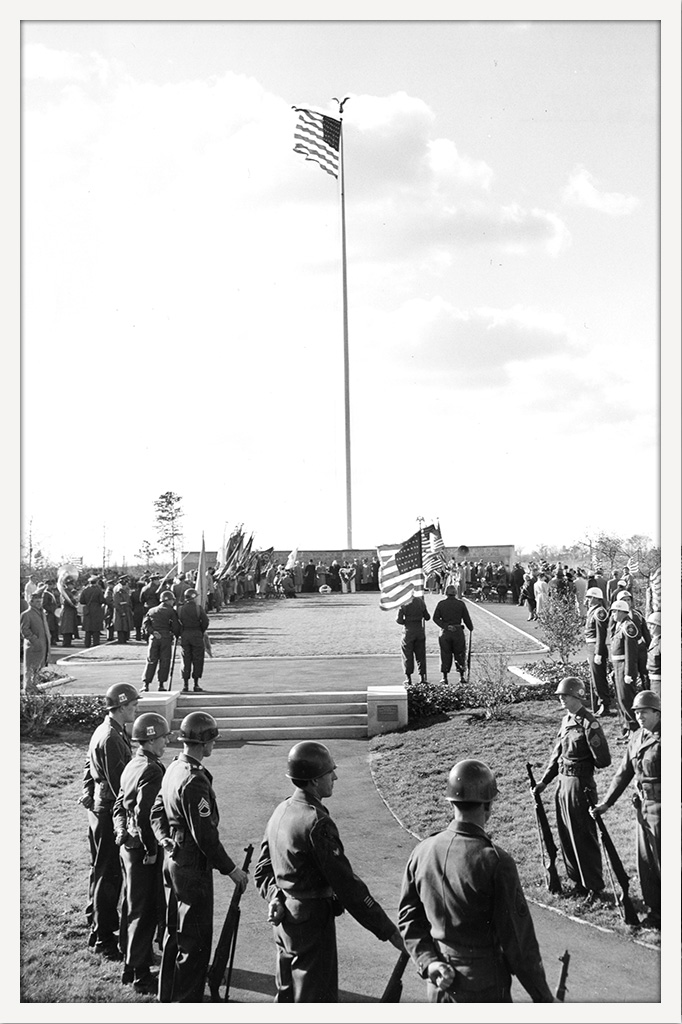
In a 6-hour dedication ceremony on August 15, 1951, Governors Elbert N. Carvel of Delaware and Alfred E. Driscoll of New Jersey dedicated the bridge to both states’ World War II casualties named after the state that paid for it.
They also led the first cars to cross the 2,150-foot main span.
During the pedestrian crossing, Betty H. Gray of Holloway Terrace was joined by her son Paul, who became the first bridge-crossing baby. Born June 10, he crossed in a carriage his mother pushed to New Jersey and back.
The next day, motorists could cross.
At 12:01 a.m. on August 16, Omero C. Catan of Teaneck, New Jersey, became the first paying motorist to cross the bridge, paying a 75-cent toll. Today, passenger vehicles pay a standard $6 cash toll when traveling into Delaware, with discounted rates available through E-ZPass.
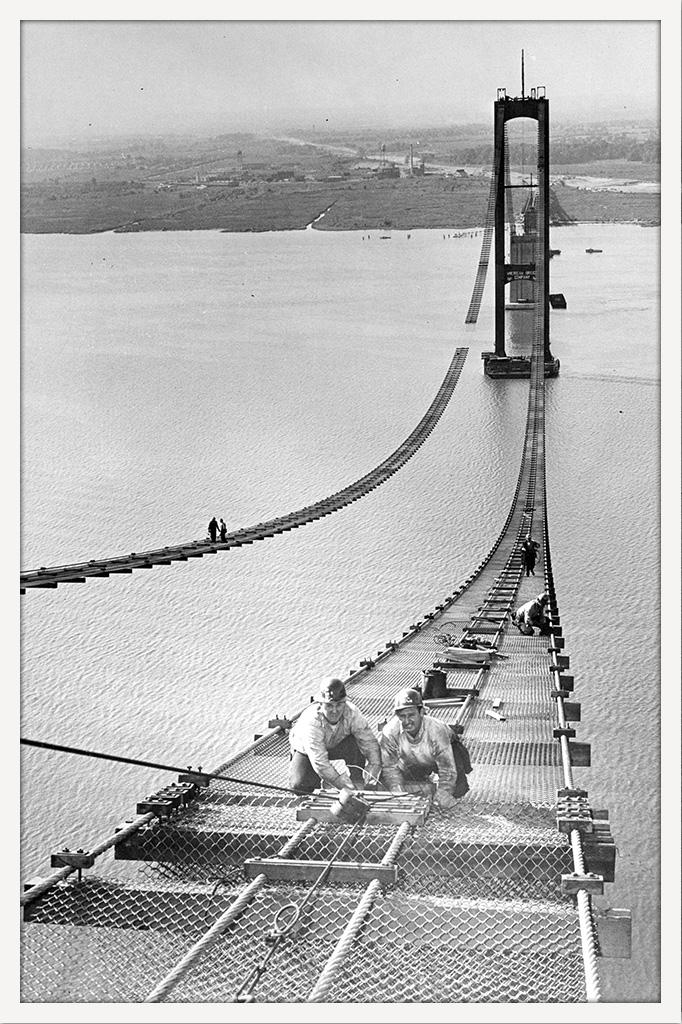
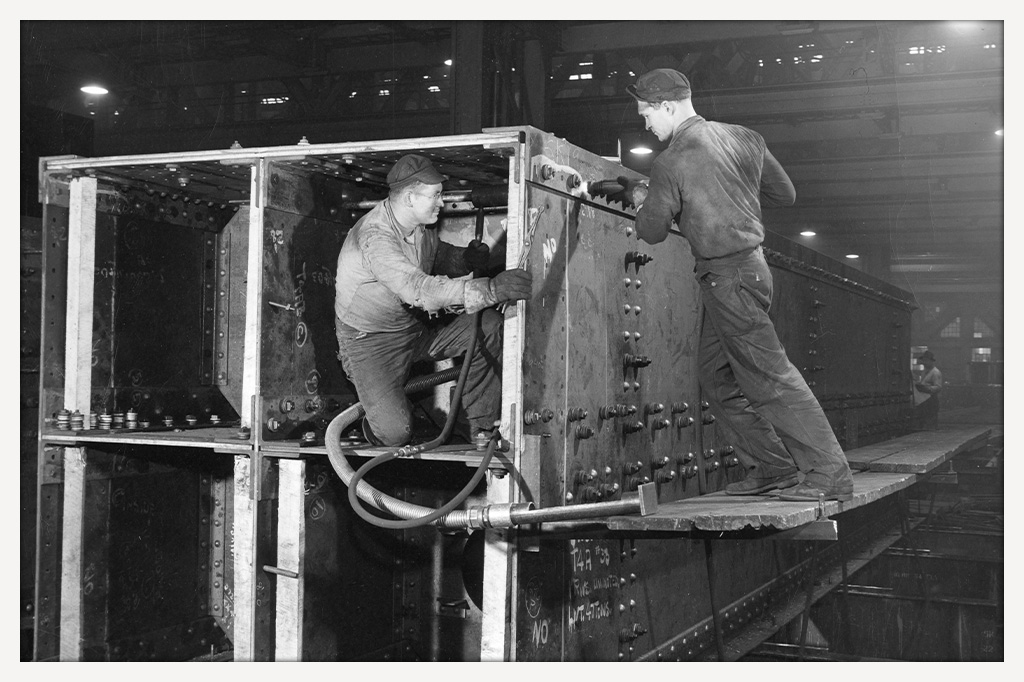
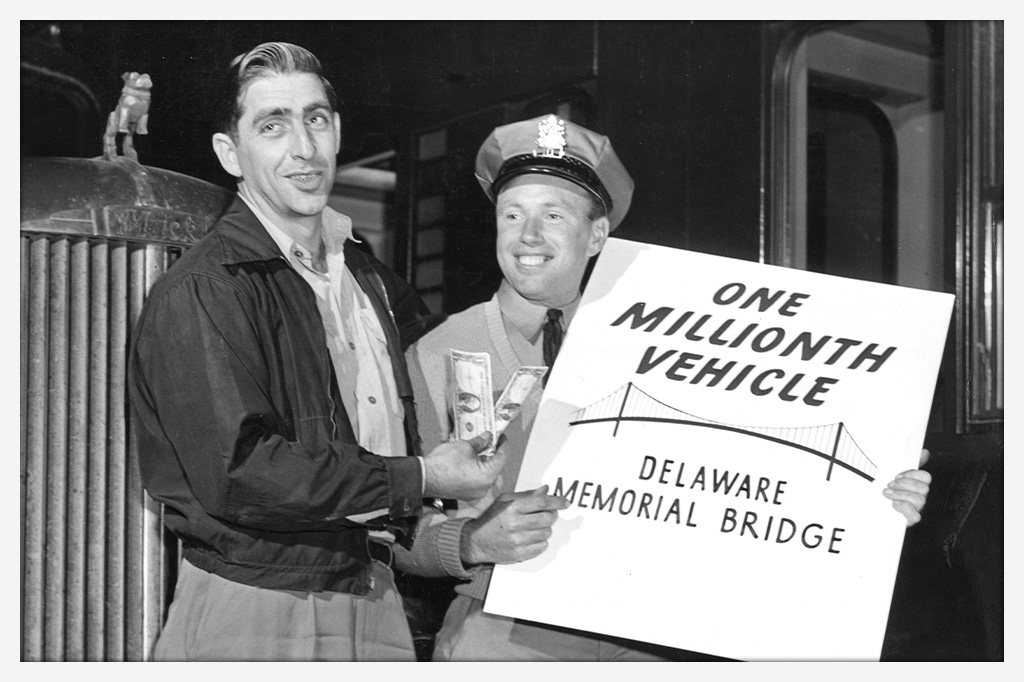
Bridge traffic exceeded expectations almost immediately. In its first full year of operation, more than 6.4 million vehicles crossed the span, nearly twice the original projection.
Engineers had predicted annual traffic would total about 3.6 million vehicles, but it topped 6.4 million in its first full year, and more than doubled within a decade.
As traffic increased, congestion became a growing concern, prompting discussions about constructing a second span.
For that, Delaware would not foot the bill alone.
Delaware River and Bay Authority (DRBA) was created by a compact ratified by Congress in 1962 to secure its authority over bi-state transportation links.
DRBA began second-span construction on April 15, 1964, after squabbles over its location.
Some pushed for it to be farther south despite multiplied roadwork costs, but New Jersey agreed to build N.J. Turnpike access and other interchanges if the bridges were twinned.
The second span closely resembled the original, but advances in engineering and construction technology led to several differences. The newer span featured stronger cables, wider traffic lanes, improved lighting, and other safety enhancements. The original span is also one foot taller than the newer one.
The newer span is heavier and more rigid, with stronger cables, wider lanes, brighter lighting, and a system that can reverse traffic flow as needed. Instead of the concrete bases used on the older span, it rested mainly on steel piles and had concrete walkways, which were safer than the older metal-grate ones.
By its 1968 completion, the new span cost about $70 million, about $30 million more than the first, worth about $746 million today.
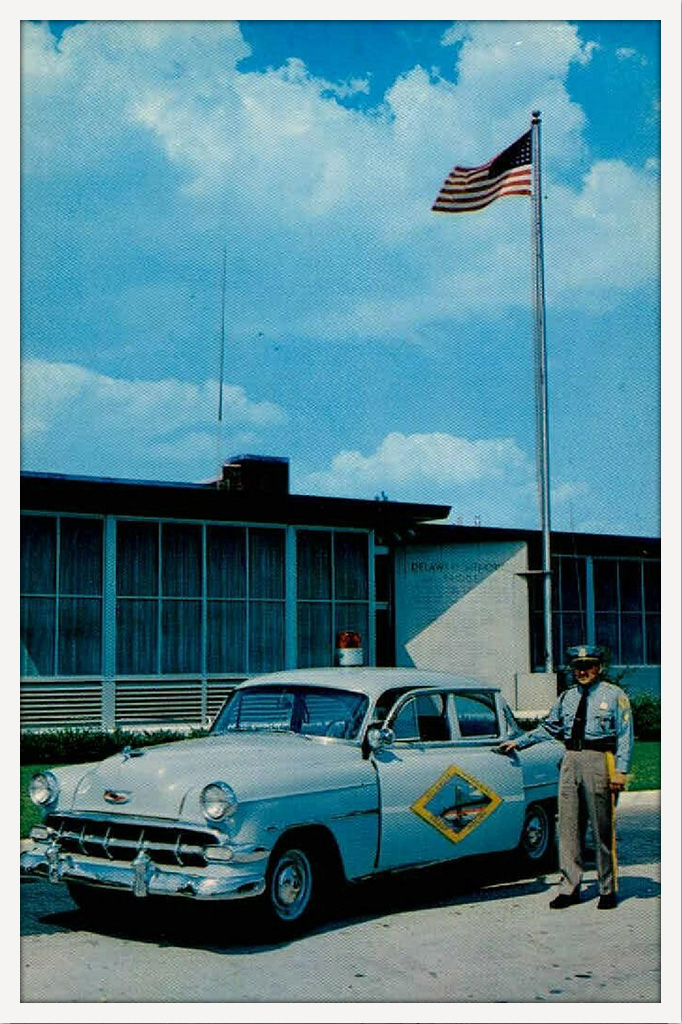
After more than four years of construction, Vice President Hubert H. Humphrey opened the new span on September 12, 1968. That year, both bridges’ dedication was expanded to add recognition of both states’ casualties of the Korean and Vietnam Wars.
More than 36 million vehicles cross the bridge annually, making regular maintenance, repairs, and safety improvements essential.
When the second span opened, the original was closed for its deck replacement. Another redecking project finished three years ago.
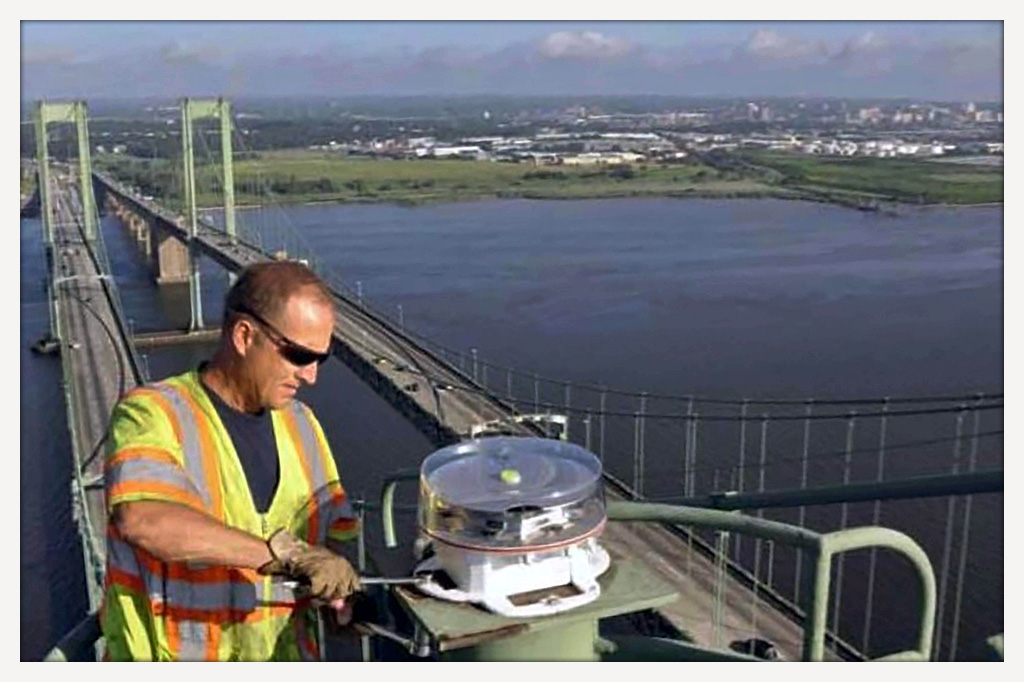
The bridge is repainted in sections every 10 years. The 2015 tower painting project alone took 2,272 gallons of paint after removal of 145,000+ pounds of old paint.
A two-year, $95 million project finished in 2025 added a system to protect the bridge from ship collisions, like ones that destroyed Baltimore’s Francis Scott Key Bridge in 2024 and Delaware’s St. Georges Bridge in 1939.
In 2026, DRBA announced plans to transition to all-electronic tolling by late 2029 or early 2030 as part of its broader capital improvement program.
The latest project echoed the headaches of traffic jams in the bridge’s single-span years.
Heavy lane closures and span-to-span lane shifts began on Labor Day to replace 46 bridge deck joints and surrounding material with new high-tech concrete. These closures and lane shifts are due to end by Thanksgiving.
DRBA said in a statement that “replacing these original joint systems in conjunction with our recent deck preservation work ensures the overall long-term structural integrity, safety, and performance of the bridge for decades to come.”
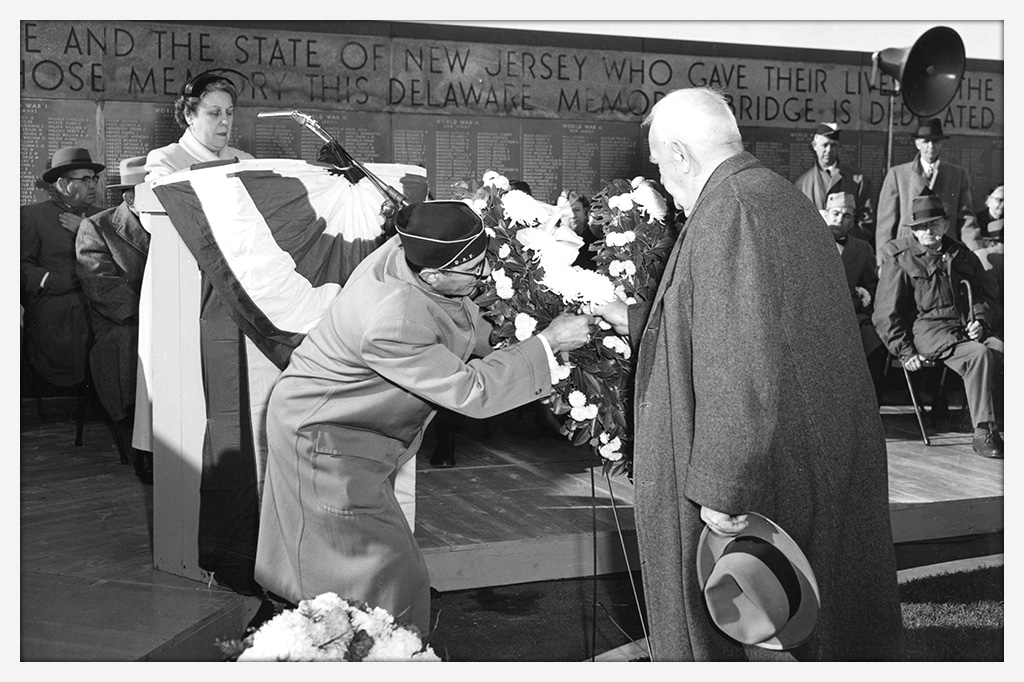
Although the bridge was originally dedicated to military personnel from Delaware and New Jersey who died during World War II, its commemorative purpose has expanded over the decades.
In 2024, DRBA began a $ 5-million project to repair, improve, and expand its Veterans Memorial Park.
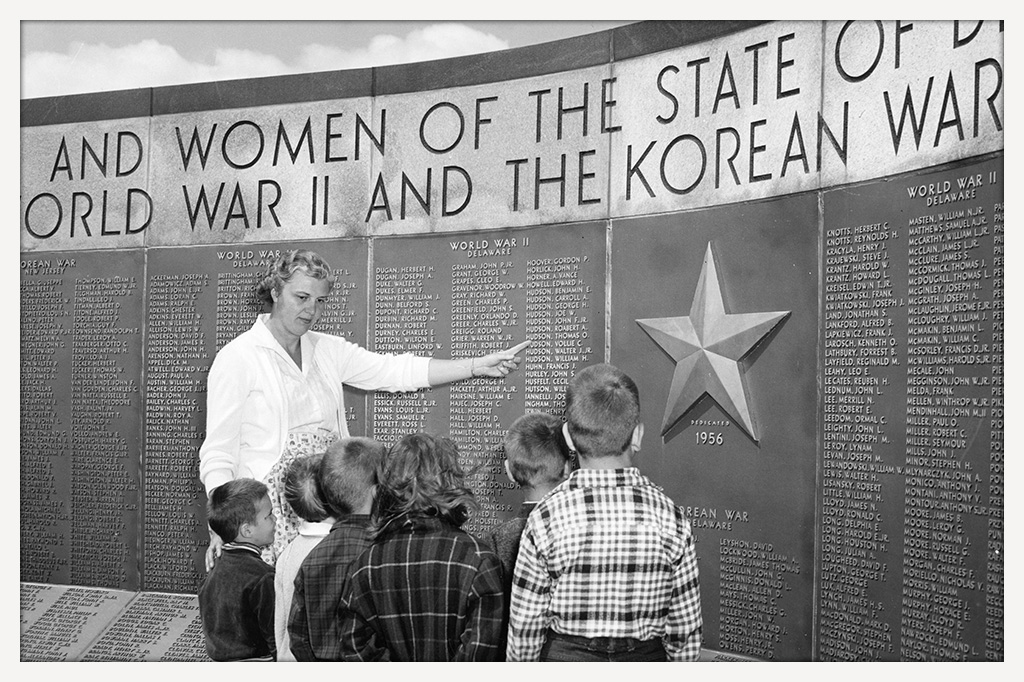
Dedicated in 1956, the 40-acre Veterans Memorial Park on the Delaware side of the bridge now includes nearly 20 monuments honoring military service and sacrifice, including tributes to Purple Heart recipients and Gold Star Families.
At the site’s 2025 Veterans Day Ceremony, former President Joe Biden, a longtime regular at the yearly events, helped dedicate the park’s renovated, expanded Wall of Remembrance, which now memorializes more than 16,000 service members from both states who died serving the United States in conflicts from WWII to the present.
The annual public ceremony at the memorial plaza, which will take place at 10:30 a.m. on Wednesday, November 11, typically draws several hundred veterans and their relatives, survivors of those lost in combat, members of groups representing or helping veterans, a “who’s who” of elected officials, and, of course, DRBA leaders.
Following the ceremony, visitors often explore the park’s monuments, leave memorial wreaths, and remember loved ones who served.
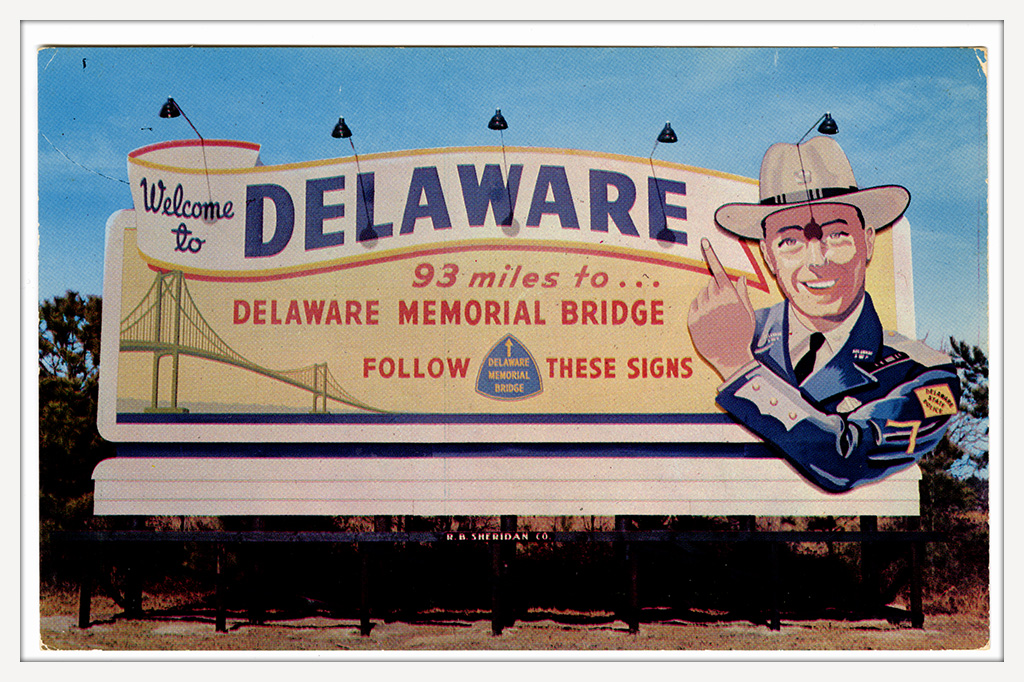
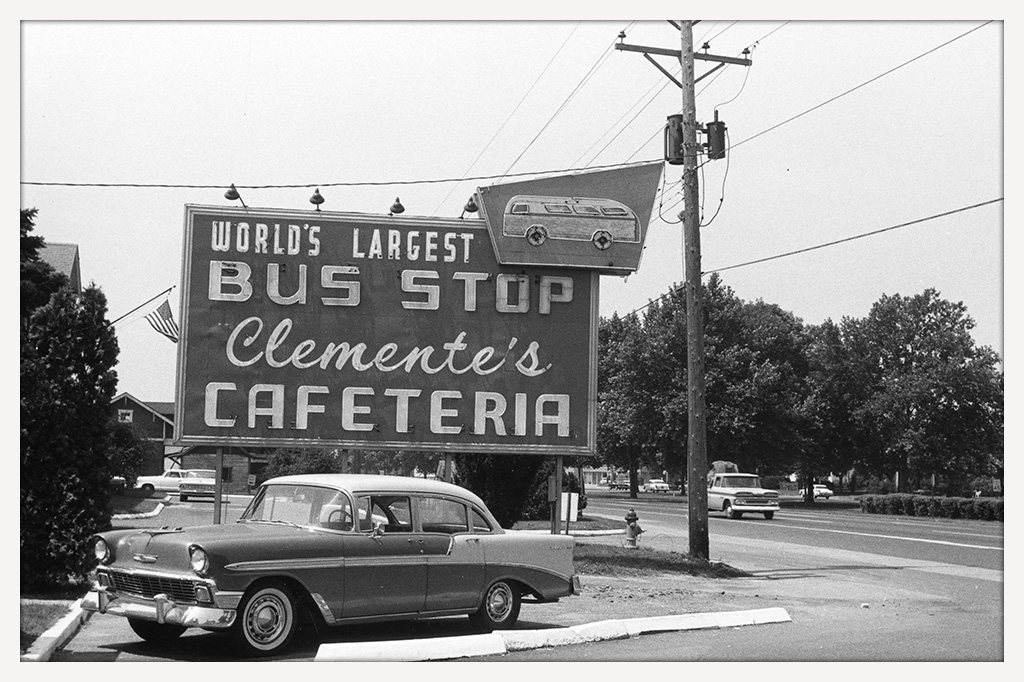
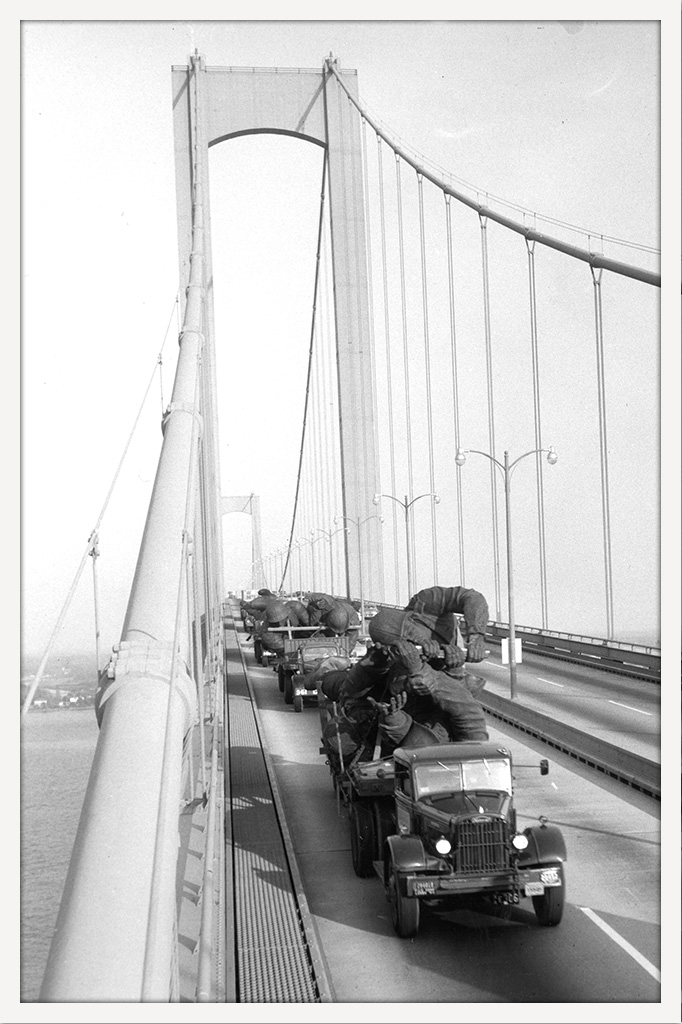
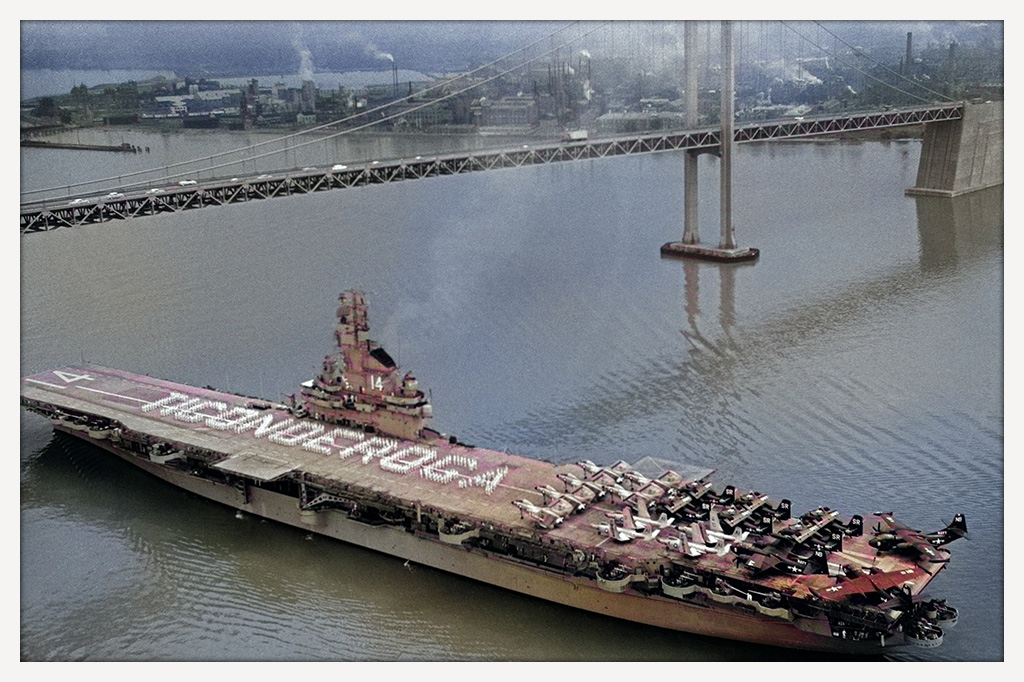
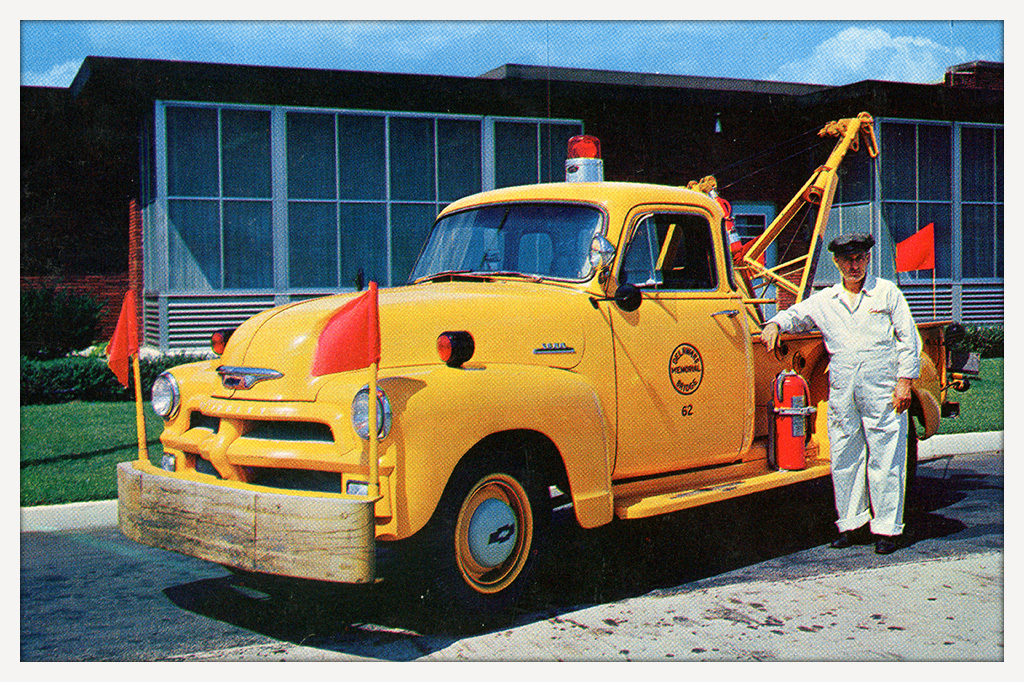
We hope you enjoy this gallery of other Delaware Memorial Bridge photographs preserved in various collections of the Delaware Public Archives in Dover.
Delaware's Governor
State Directory
Elected Officials
General Assembly
Delaware Courts
State Employees
Cities & Towns
Delaware State Code
State Regulations
Business First Steps
Phone Directory
Locations Directory
Delaware Public Meetings
Voting & Elections
Transparency
Choose Health DE
Tax Center
Personal Income Tax
Privacy Policy
Weather & Travel
Contact State Agencies
Corporations
Franchise Tax
Gross Receipts Tax
Withholding Tax
Guides to Services
Help Center
Mobile Apps
E-mail / Text Alerts
Social Media

Built by the Government Information Center
©MMXXVI Delaware.gov