October is American Archives Month, and on October 14, 2026, archivists across the country celebrated Ask an Archivist Day! Organized by the Society of American Archivists, this annual event invites the public to ask questions about archives, historical records, and the people who preserve them.
We received some great questions, and our staff had plenty of answers to share! From unusual discoveries to fascinating pieces of Delaware history, here's what you wanted to know.
There are several paths to becoming an archivist. Many archivists have degrees in history, museum studies, or art conservation. Another common path is earning a master’s degree in Library and Information Science (MLIS), which is often required for more advanced positions. If you’re interested in the field but not sure where to start, volunteering is a great way to gain hands-on experience and learn more about archival work. At the Delaware Public Archives, we take volunteer applications year-round.
Possibly! While we don’t collect every type of historical record, we do accept donations that support our mission of preserving Delaware’s documentary heritage.
Our collecting priorities include materials related to Delaware government, records that complement our existing collections, and certain historical publications. We also accept public records that may have left government custody over time.
If you’ve come across something you think might belong at DPA, take a look at our Collecting Policy to learn more about the types of materials we accept.
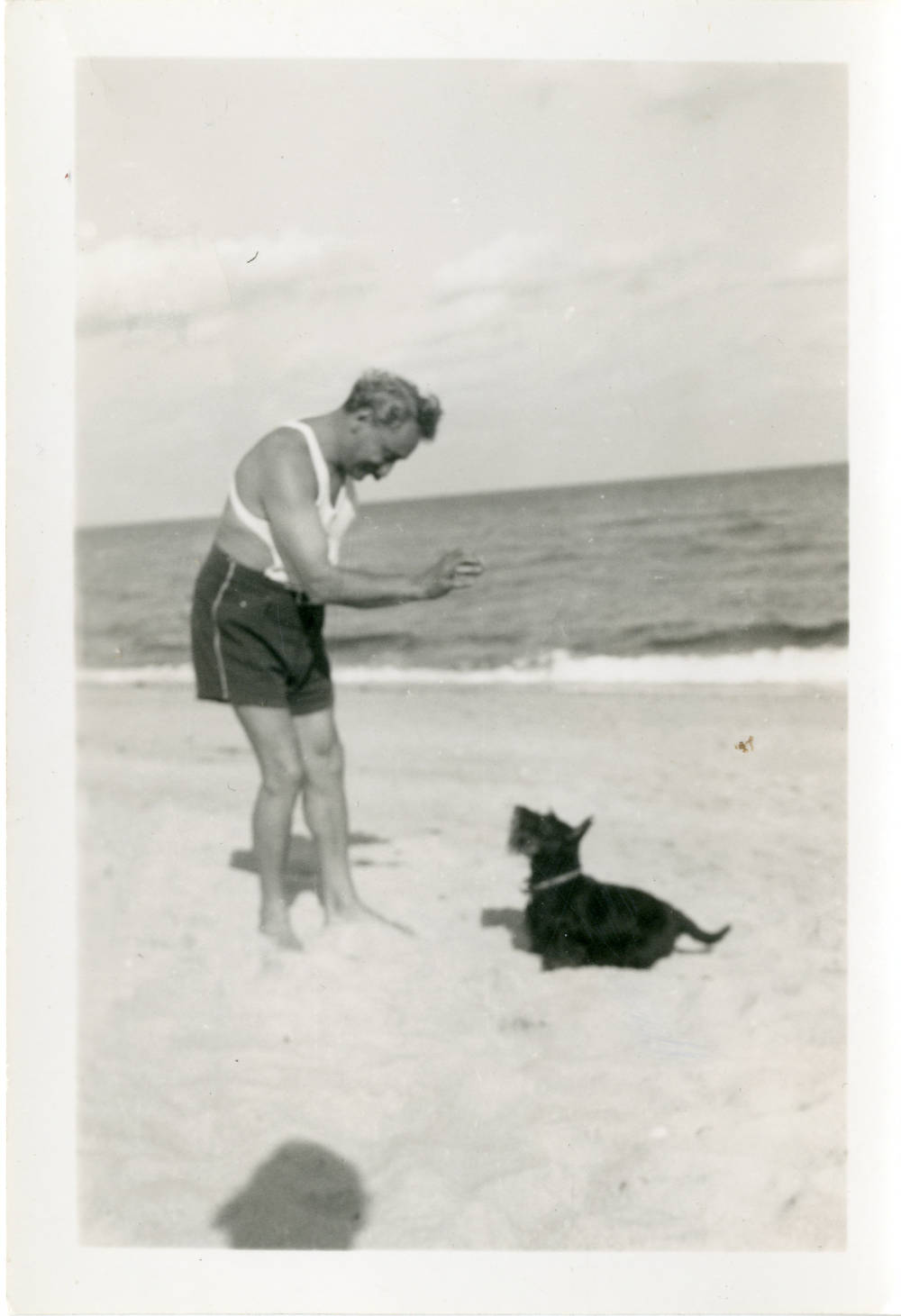
Yes! We have many photos and illustrations of pets, farm animals, and wildlife. You can search for more on CONTENTdm, our online collection of digitized historical materials.

Dana Neimeyer has an unusual favorite: Smokey the Worm!
Smokey was a chain-smoking worm featured in a Delaware Educational Television film designed to teach children about the dangers of smoking. Our collections include scripts from the film and behind-the-scenes photographs of the puppeteers bringing this unusual character to life.
A: The short answer: 2041!
Here's why: Delaware law restricts public access to certain vital records for a set period. Birth certificates become public after 72 years, while marriage and death certificates become public after 50 years.
Although death certificates from 1990 reach the 50-year mark in 2040, DPA makes records available by calendar year rather than by individual date. That means the full year of 1990 death certificates would become available in 2041.
Until then, requests for restricted certificates should be directed to the Delaware Division of Public Health's Office of Vital Statistics.
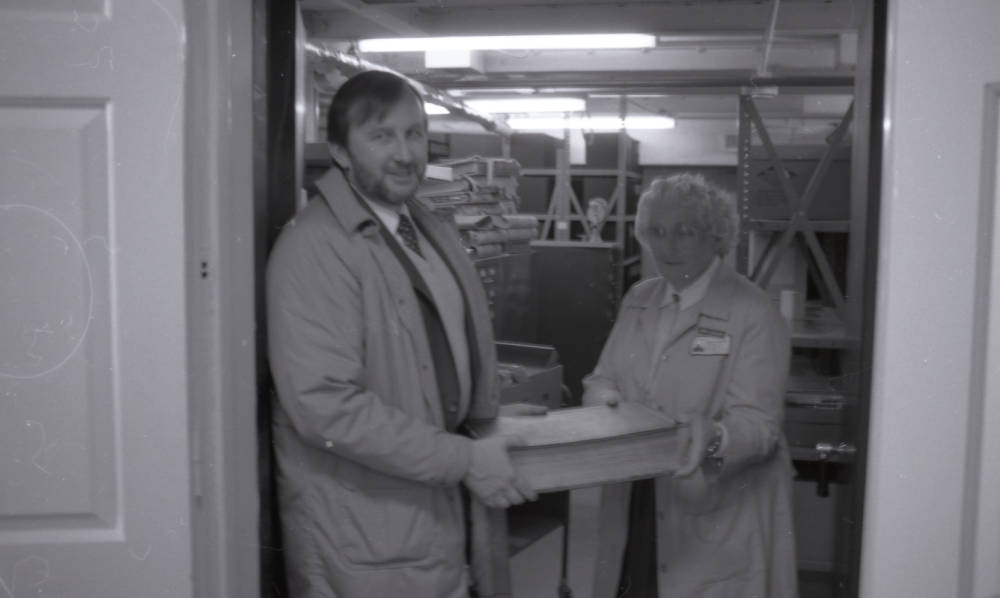
One of our oldest treasures is the Delaware State Bible, which dates to 1532!
Acquired from France in 1849, the Bible has been used to swear in many Delaware governors. It's a remarkable piece of history that connects generations of the state's leaders.
For Rhiannon Golt, it's the story of Delaware's first president (now called governor), John McKinly, who was captured by British forces while serving in office during the Revolutionary War.
What makes the story particularly memorable are the letters McKinly wrote to his wife while in captivity. Among his requests? That she take care of his laundry and send him more clothes!
Even in the middle of the Revolutionary War, apparently laundry still needed to get done.
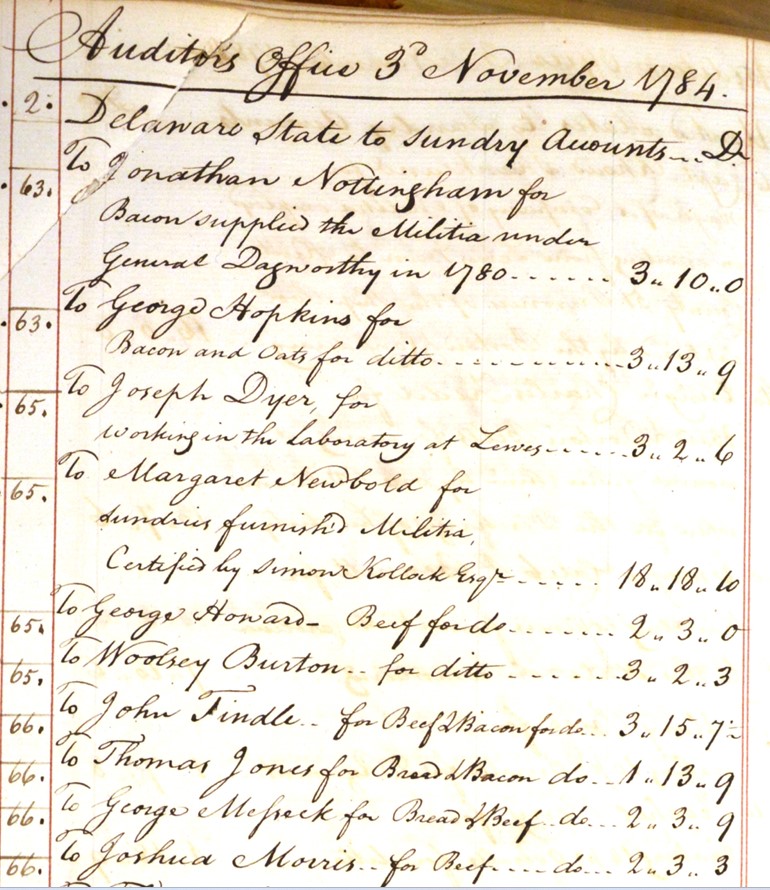
There's something special about holding a piece of history in your hands.
One example that stands out to Joseph Sullivan is a Revolutionary War ledger from the Auditor of Accounts. The ledger documents the contributions of thousands of Delawareans to the cause of independence.
For Joe – and all of us at DPA! – Records like this bring history to life. They're a reminder that history isn't just about the prominent figures we read about in textbooks, but also about ordinary people who came together to do extraordinary things.
Yes, and sometimes those discoveries happen when you're researching someone else's family!
One of our archivists was helping a researcher investigate a family divorce and remarriage. The second marriage application revealed that the researcher's grandfather had obtained a divorce in Juárez, Mexico.
Some additional digging revealed that Juárez was once a popular destination for Americans seeking a quick divorce.
When the archivist later shared the story with family, their mother casually replied, "Well, your grandfather got divorced in Mexico."
Sometimes archival research hits a little closer to home than expected!
—
Curious about what else you might discover? Come visit the Delaware Public Archives in Dover (full address here).
Our Mabel Lloyd Ridgely Research Room is open to the public Monday through Friday from 9:00 a.m. to 4:00 p.m. Walk-ins are welcome, but researchers are strongly encouraged to make an appointment by calling (302) 744-5000 or emailing archives@delaware.gov.
For more information about the Delaware Public Archives or to learn about upcoming events and programs, visit archives.delaware.gov. Follow the Delaware Public Archives on Instagram and Facebook to see how we are celebrating American Archives Month all month long!
Delaware's Governor
State Directory
Elected Officials
General Assembly
Delaware Courts
State Employees
Cities & Towns
Delaware State Code
State Regulations
Business First Steps
Phone Directory
Locations Directory
Delaware Public Meetings
Voting & Elections
Transparency
Choose Health DE
Tax Center
Personal Income Tax
Privacy Policy
Weather & Travel
Contact State Agencies
Corporations
Franchise Tax
Gross Receipts Tax
Withholding Tax
Guides to Services
Help Center
Mobile Apps
E-mail / Text Alerts
Social Media

Built by the Government Information Center
©MMXXVI Delaware.gov