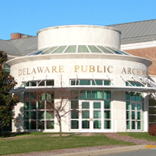

One of the most rewarding aspects of archival work is uncovering unexpected connections between Delaware’s history and nationally significant events. While processing the James E. Marvil Collection, Archives staff discovered a series of color slides documenting U.S. Navy operations during the Vietnam War, including images of a young Lieutenant (junior grade) John Kerry while serving as a Swift Boat officer.
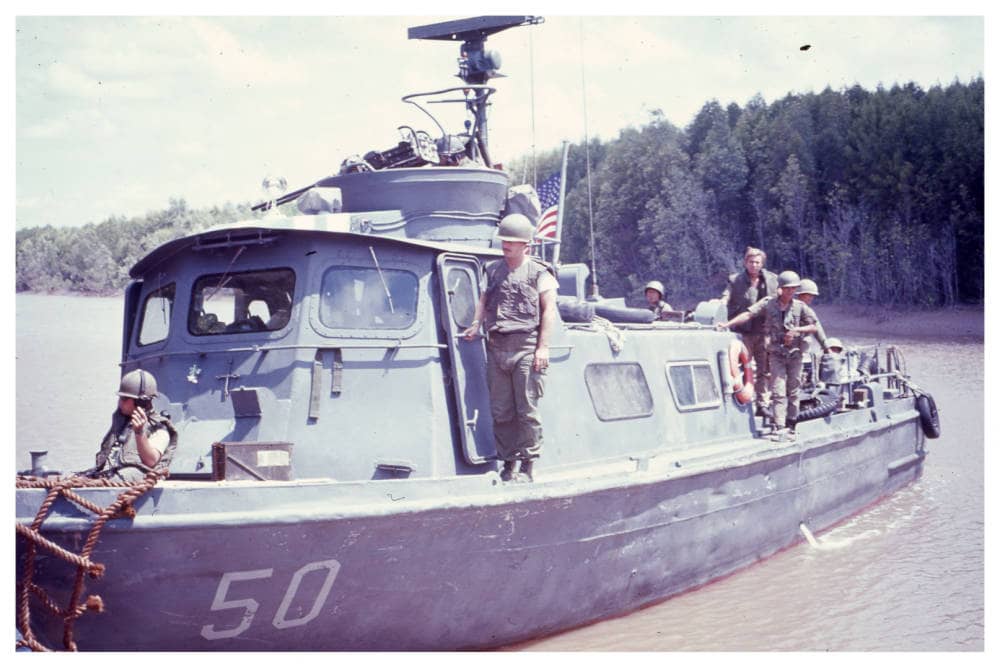
These military photographs are among the records that Dr. James E. Marvil, a well-known Delaware physician and local historian, donated to the Archives. The photographs were preserved by Dr. Marvil’s family and are associated with his son-in-law, Commander George M. Elliott of the United States Navy. Commander Elliott served as Commander of Coastal Division 11 during the Vietnam War in the late 1960s. He oversaw Swift Boat operations based at the An Thoi Naval Base on Phu Quoc Island.
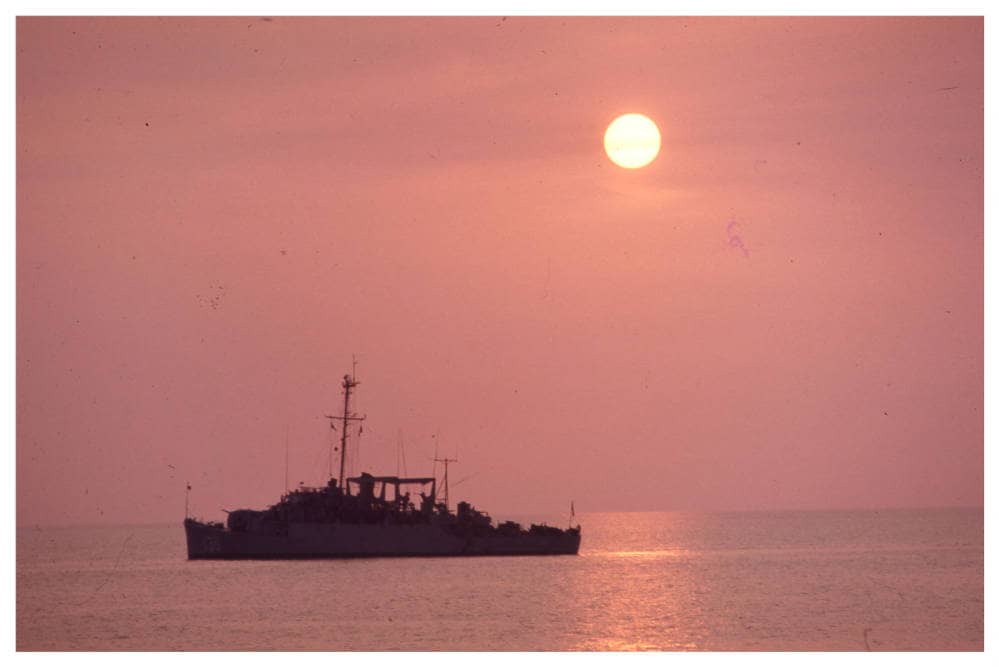
The slides offer a vivid, firsthand look at Operation Market Time, the naval campaign designed to prevent North Vietnamese troops and supplies from reaching South Vietnam. The series includes images of patrol craft, support vessels, harbor facilities, and the sailors who served aboard them. These photographs provide a rare visual record of everyday life within the Navy’s coastal forces and illustrate the complex network of vessels and personnel involved in coastal operations.
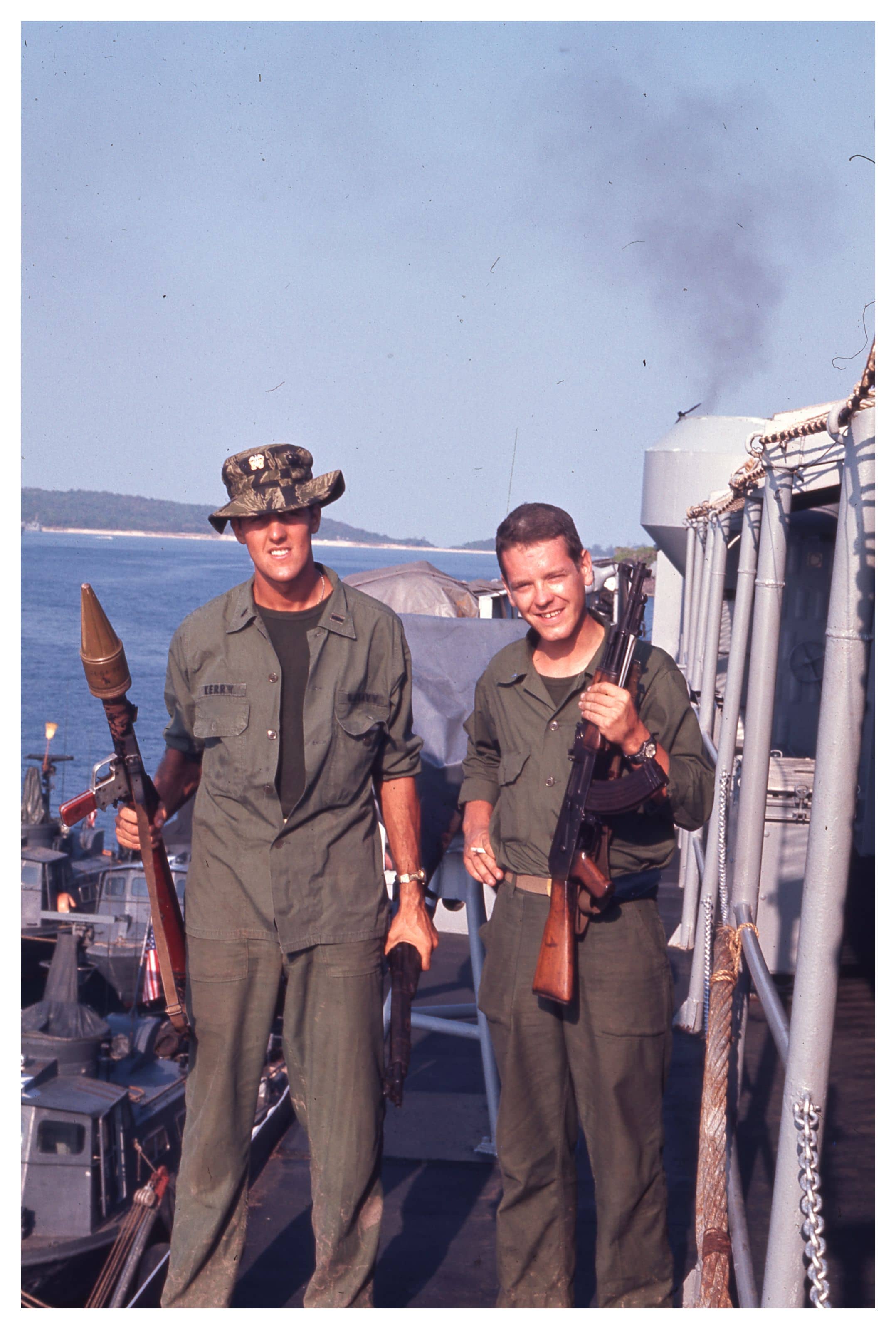
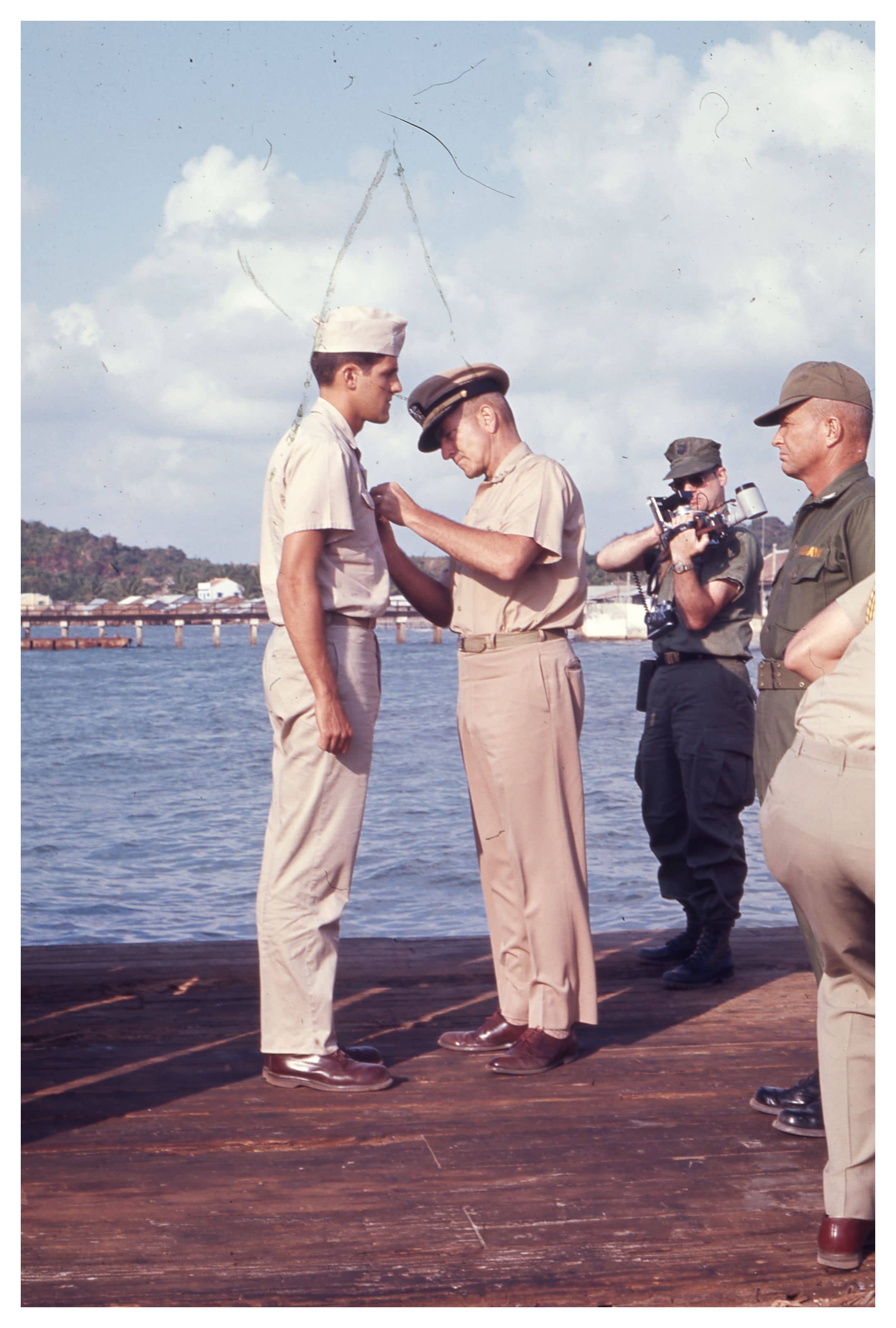
Two of the most notable images show LTJG John Kerry standing with another sailor aboard a Swift Boat. LTJG Kerry’s uniform name tape is clearly visible, and both men pose with captured enemy weapons. LTJG Kerry is holding a B-40 rocket launcher, the same weapon documented in his Silver Star citation. Two additional slides show LTJG Kerry receiving the Silver Star award from Vice Admiral Elmo Zumwalt. The candid nature of the photographs captures the informal documentation that service members often create during wartime.
The significance of these slides extends beyond the images themselves. Commander George M. Elliott, who supervised Kerry’s unit at An Thoi, later became a prominent figure in the public debate over John Kerry’s Vietnam service in the 2004 presidential election. As a result, this Delaware collection intersects not only with military history but also with a notable moment in modern American political history.
Collections like the Marvil Collection demonstrate why archives matter. Family papers, photographs, and personal records often preserve perspectives on national and international events that are absent from official records. As archivists continue to process and describe collections, discoveries like these reveal unexpected connections between Delaware’s history and the broader American experience.
Researchers interested in the Marvil Collection or other military history materials are encouraged to contact the Delaware Public Archives or explore the Delaware Public Archives Portal for more information.
Written by Patrick Analore, Processing Archivist at the Delaware Public Archives.
Delaware's Governor
State Directory
Elected Officials
General Assembly
Delaware Courts
State Employees
Cities & Towns
Delaware State Code
State Regulations
Business First Steps
Phone Directory
Locations Directory
Delaware Public Meetings
Voting & Elections
Transparency
Choose Health DE
Tax Center
Personal Income Tax
Privacy Policy
Weather & Travel
Contact State Agencies
Corporations
Franchise Tax
Gross Receipts Tax
Withholding Tax
Guides to Services
Help Center
Mobile Apps
E-mail / Text Alerts
Social Media


Built by the Government Information Center
©MMXXVI Delaware.gov