


In the 1950s, Delaware was one of 17 states that required public schools to separate students by race. This system created deep and measurable inequalities between white and Black students. White schools received more funding, had better facilities, and offered stronger academic programs. In contrast, Black schools often faced neglect, overcrowding, outdated textbooks, and limited transportation. Many Black students had to travel much farther to attend school than white students.
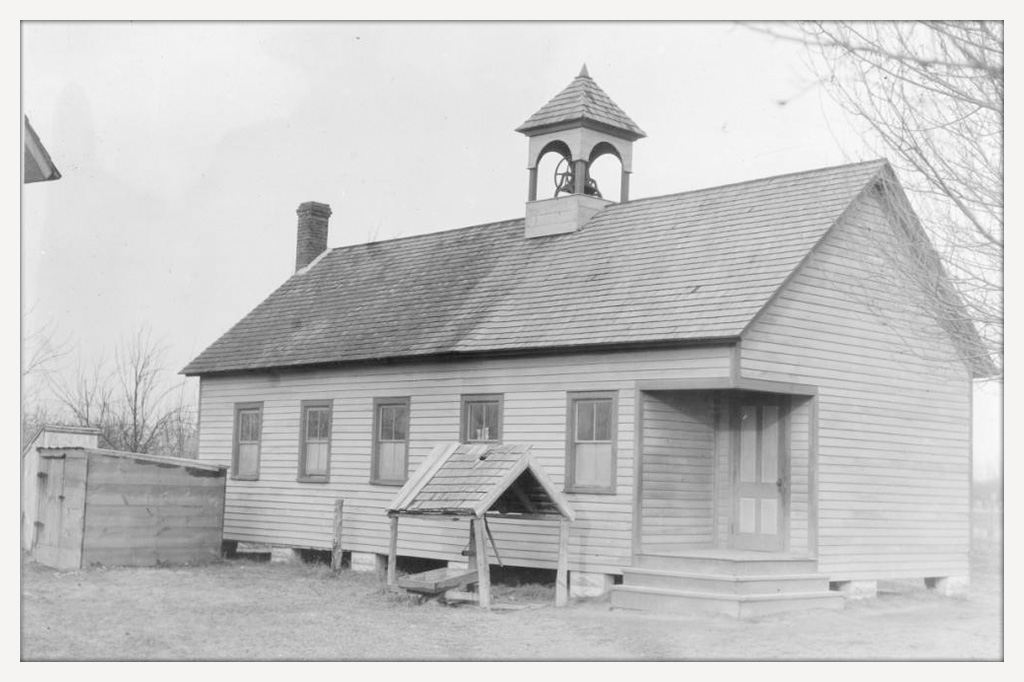
In 1951, several parents challenged this unfair system in court. They hired Louis L. Redding, Delaware’s first Black attorney. Redding already won an important case, Parker v. University of Delaware, which allowed Black students to attend the previously all-white University of Delaware. The parents filed two separate lawsuits, but the court consolidated them into a single case.
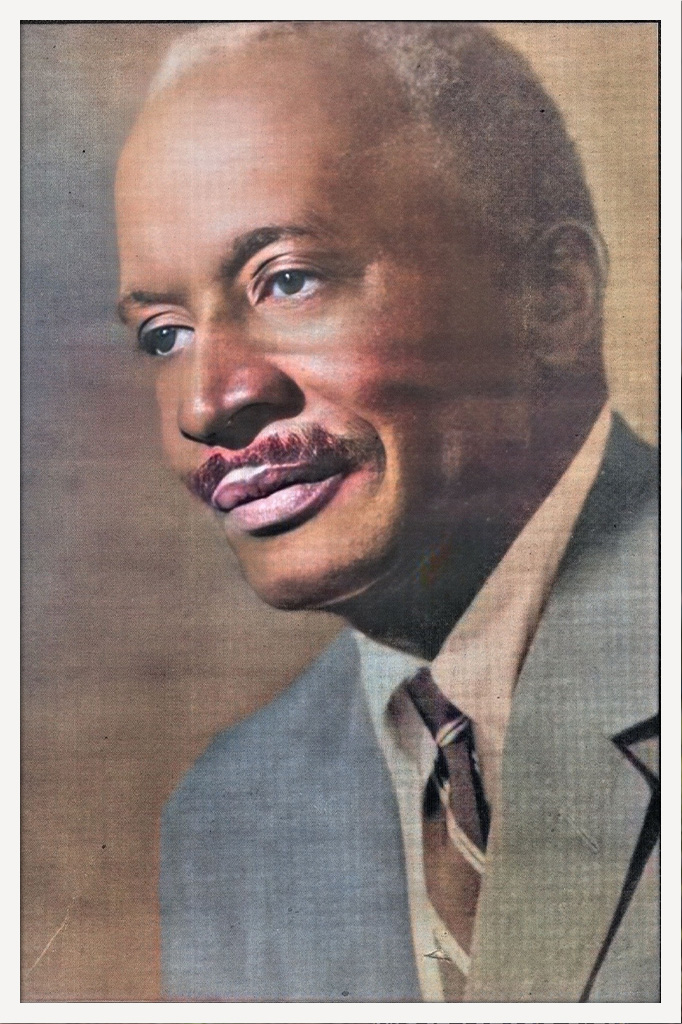
The first case, Belton v. Gebhart, was brought by parents of Black high school students in Claymont. Although there was a well-kept high school in their town, their children were forced to ride a public bus to Wilmington to attend Howard High School, the state’s only Black college-preparatory high school. Howard was overcrowded and in poor condition, and its textbooks were often more than ten years old. These students were denied the same educational opportunities as nearby white students.
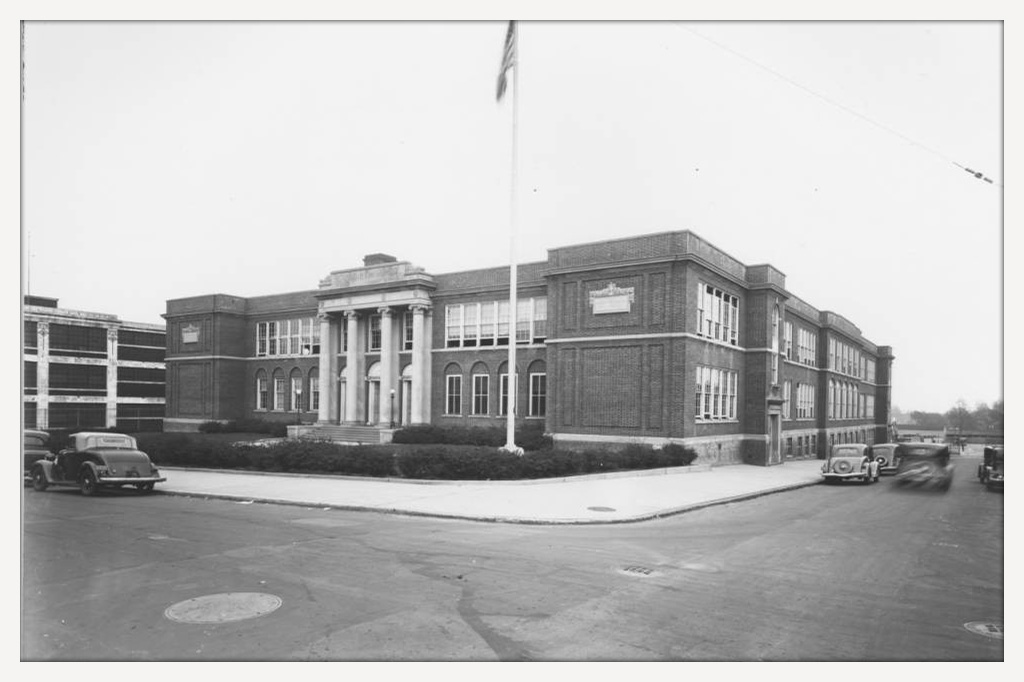
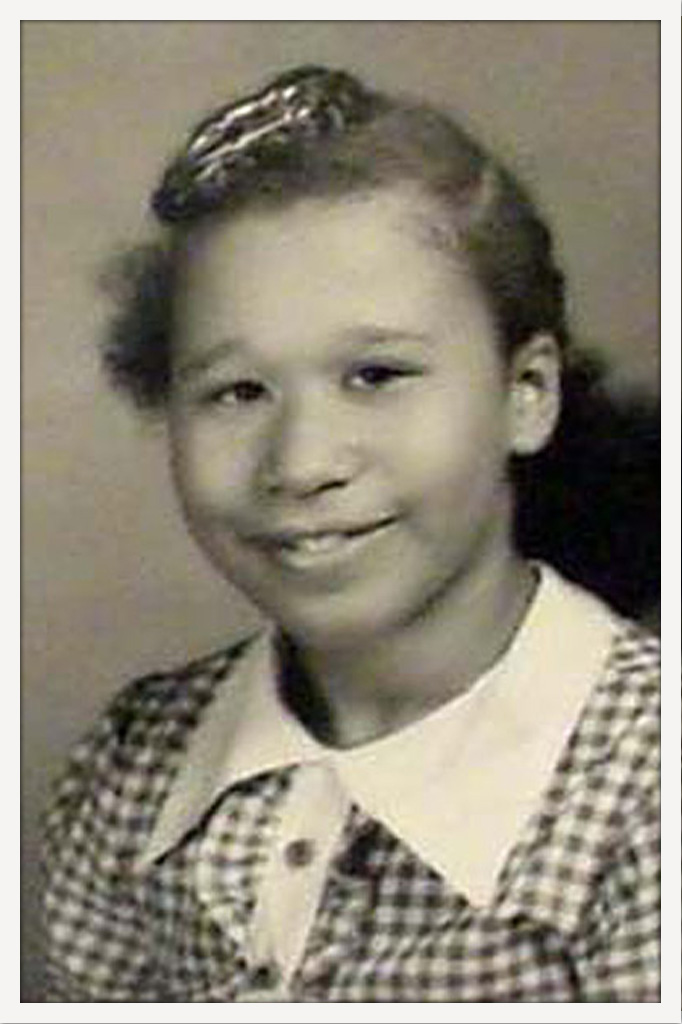
The second case, Bulah v. Gebhart, was filed by the mother of seven-year-old Shirley Bulah from Hockessin. Shirley had to walk along a dangerous road to reach her one-room colored schoolhouse. Meanwhile, a bus passed her home each day, transporting white children to a better school just a mile away. When her parents asked to have her allowed on the bus, their request was denied.
Although the two cases focused on different issues — school quality and transportation — the lawyers argued them together. They claimed that the treatment of Black students violated the Equal Protection Clause of the 14th Amendment. They also challenged the “separate but equal” doctrine established in Plessy v. Ferguson, arguing that the schools for Black students were clearly not equal.
Chancellor Collin J. Seitz was sympathetic to the families. Although he avoided making a direct constitutional ruling, he agreed that the schools were unequal and ordered them to integrate. The case was later appealed as Gebhart v. Belton, but a higher court upheld his decision.
For a short time, some White schools in Delaware were integrated. However, when the case was appealed to the U.S. Supreme Court, the Board of Education ordered Black students to leave those schools. After protests from students, parents, and community members, a compromise was reached: schools in Claymont, Arden, and Hockessin remained integrated, while most other schools in Delaware stayed segregated.
Eventually, the case became part of Brown v. Board of Education. Of the five cases combined into Brown, the Delaware case was the only one in which a lower court had already ruled that segregation created unequal conditions and had ordered integration. In the Kansas case, the physical facilities were more comparable. Lawyers ultimately argued that segregation itself caused psychological harm by making Black children feel inferior.
The Supreme Court first heard Brown in 1953 but could not reach a decision. After rehearing the case, the Court finally ruled in the spring of 1954. In a unanimous decision, the justices declared that even if school facilities appeared equal, segregation denied Black children equal educational opportunities. They concluded that separating students based on race created harmful psychological effects and violated the Equal Protection Clause of the 14th Amendment. The ruling overturned the “separate but equal” doctrine in public education.
The Delaware cases played a crucial role in the fight against school segregation. By clearly demonstrating the unequal treatment of Black schools, they strengthened the arguments that led to the historic Brown decision. The courage of the families who challenged segregation not only changed Delaware’s schools but also helped transform the American education system and advance the broader Civil Rights Movement.
Delaware's Governor
State Directory
Elected Officials
General Assembly
Delaware Courts
State Employees
Cities & Towns
Delaware State Code
State Regulations
Business First Steps
Phone Directory
Locations Directory
Public Meetings
Voting & Elections
Transparency
Choose Health DE
Tax Center
Personal Income Tax
Privacy Policy
Weather & Travel
Contact Us
Corporations
Franchise Tax
Gross Receipts Tax
Withholding Tax
Guides to Services
Help Center
Mobile Apps
E-mail / Text Alerts
Social Media


Built by the Government Information Center
©MMXXVI Delaware.gov